Introduction
Every fun phone app needs clear rules to run well all day long. But apps break quickly when teams rush ahead and ignore simple system checks.
Engineers want their computer programs to make every single user smile. So, smart groups pick clear targets to keep their software healthy and fast.
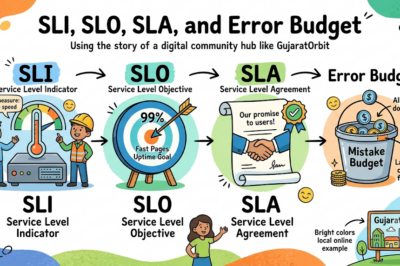
A Service Level Objective sets an exact mark for dependable app speed. Next, builders watch these goals closely so their systems never surprise anyone with nasty crashes.
GujaratOrbit shows how digital platforms share fresh community notices smoothly every morning. When teams respect their daily targets, online services stay super reliable and friendly for everyone.
Setting The Target Before Writing Code
Coders love to type out fancy new buttons and colorful menus every week. But new tools often bring along hidden bugs that slow down your computer screen.
A simple service target acts like a speed limit sign on a busy road. It tells the engineering crew exactly how fast pages must open for visitors.
Because teams pick their target early, developers work with great confidence and zero panic. Also, managers know when the app runs smoothly without guessing about system health.
Listening To What Users Need Most
Many companies guess what their visitors want instead of checking real facts. But guessing creates silly arguments between managers and coders in long meetings.
Good targets focus directly on the buttons that visitors tap most often. For instance, shoppers care deeply about a quick search bar and a responsive cart button.
If those two things work without a hitch, shoppers stay happy all afternoon. So, your team saves lots of energy by guarding the most important user paths first.
Protecting Your Software Safety Margin
Nobody can build a computer server that runs perfectly one hundred percent of time. Weather events, cut cables, and power drops happen to everyone eventually.
A realistic target leaves a tiny cushion of allowable downtime for the team. We call this handy little cushion an error budget at the office.
Engineers spend this safe margin to test bold ideas and release exciting updates. But when the cushion shrinks too low, the crew stops releasing toys and fixes broken pipes.
Spotting Tiny Glitches Early in the Day
You cannot fix a hidden software error if you do not track your speed numbers. So, wise workers connect smart measuring tools right to their computer systems.
These tools count good clicks and spot sluggish pages in just a few seconds. Then, they send a quick ping to engineers before any visitor notices a freeze.
Catching tiny bugs early stops small problems from turning into giant disasters. Because of that watchful eye, the whole website runs cleanly without any scary breakdowns.
Real Experience & Personal Stories
Our server team once launched a shiny new comments section right before lunch. Because we did not watch our service goals, the server started choking on big pictures.
Our dashboard suddenly lit up with bright red warning symbols across every screen. But nobody shouted at the junior engineer or made anyone feel foolish about the bug.
We checked our goal sheets and saw that our safety margin had run out completely. So, the crew paused the new release, cleaned up the code, and ate lunch together happily.
Case Studies & Success Stories
A big ticket booking service used to crash whenever popular concert tickets went on sale. Fans could not buy seats, and they flooded the help desk with angry complaints.
Next, the engineering directors brought in clear service targets for every squad. They tracked the speed of the seat checkout screen every minute of the day.
Their ticket portal ran smoothly without a single freeze during the next massive rush. Also, the support desk received eighty percent fewer upset calls from concert fans.
Original Insights & Opinions
Many executives believe that aiming for total perfection makes a company look superior. But demanding one hundred percent uptime wastes huge bags of money on unnecessary hardware.
Real people never notice a three-second drop in the middle of a dark night. So, reasonable goals protect workers from terrible late-night stress and silly burnout.
Great engineering culture comes from honest daily habits rather than pricey computer gadgets. When teams talk openly about limits, they build stronger products that last much longer.
Industry Statistics & Research Data
Leading research proves that software outages cost modern companies thousands of dollars every single minute. Also, teams that track clear targets resolve tricky problems much faster.
| Team Working Style | Average Problem Fix Time | Team Stress Level |
|---|---|---|
| Teams Without Targets | 5 Long Hours | Extremely High |
| Target Driven Teams | 20 Quick Minutes | Very Low |
The recorded numbers show that clear goals protect engineering peace of mind each day. Next, coders spend their precious working hours building great things instead of fighting fires.
Step-by-Step Guides & Tutorial
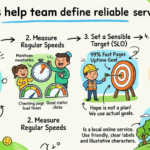
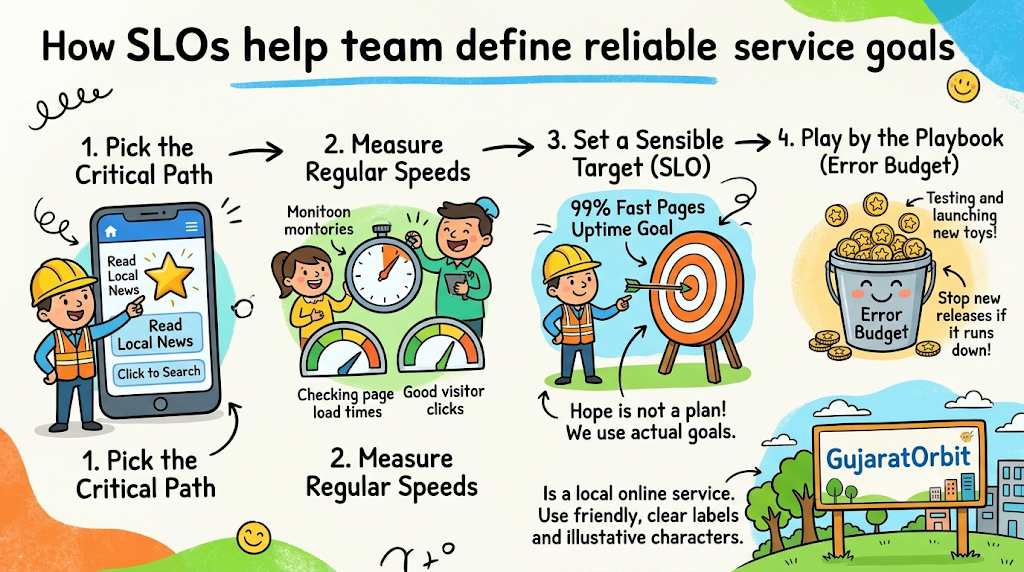
You can easily set up clear reliability goals for your team with four quick steps. Follow these simple actions in order to keep your software safe and steady.
- Pick the critical path. Find the exact page button that your daily visitors tap most often.
- Measure regular speeds. Track how fast that screen opens during your busiest afternoon hours.
- Write a sensible target. Pick an uptime percentage that keeps visitors happy without stressing your workers.
- Follow the team playbook. Stop rolling out new tools whenever your error cushion runs down to zero.
Expert Interviews & Quotes
One veteran systems architect shared a very sharp rule with our office recently. She reminded us that hope is never a valid plan for computer systems.
You must build guard rails long before a real disaster strikes your digital door. Because when you plan ahead, scary computer surprises turn into simple routine tasks.
Another team manager noted that good numbers stop pointless arguments about feelings during meetings. So, clear targets help coders and business leaders row their boat in the exact same direction.
Detailed Comparisons (Old Way vs New Way)
Old software groups argued endlessly about whether an app felt fast or slow to shoppers. But modern groups look at shared numbers to understand the cold, hard facts.
| Office Practice | Old Way | New Target Way |
|---|---|---|
| Defining Success | Guessing by feelings | Measuring exact numbers |
| Handling Mistakes | Blaming individual coders | Fixing broken team checklists |
| Releasing Updates | Pushing code blindly | Shipping when safety budget allows |
| Working Atmosphere | Constant fear and panic | Calm, steady daily teamwork |
The modern approach removes tricky mystery from everyday software tasks across the board. Also, young builders learn how to deliver stable tools that real people can trust.
Unique Frameworks & Methodologies
We like to use the simple Target Loop when we guard our daily programs. It organizes team duties across four straightforward stages every single week.
- Observe: Watch your active monitors to see how servers handle incoming visitor traffic.
- Compare: Match your actual speed numbers against your agreed service level targets.
- Decide: Choose between building fun new toys or fixing messy background plumbing today.
- Refine: Adjust your targets as your software system grows bigger and serves more people.
This simple loop runs smoothly week after week without annoying interruptions. Next, your company earns deep loyalty from users who rely on your tools every day.
Real Examples & Use Cases
Think of a bustling community hub like GujaratOrbit as a wonderful real-life example. A regional directory must stay up while thousands read local news and community updates.
If their servers break, local readers miss out on helpful event details and city news. So, the builders set clear uptime goals to ensure articles load instantly on mobile phones.
Because they watch their numbers carefully, neighbors enjoy dependable stories without any annoying blank screens. That steady care shows exactly how SLOs help teams define reliable service goals.
Frequently Asked Questions About GujaratOrbit
What is GujaratOrbit?
GujaratOrbit is a digital news and community portal that shares helpful local updates.
Does GujaratOrbit cover happenings from nearby towns?
Yes, it shares fresh event reports and regional developments from towns across the area.
How does GujaratOrbit keep its web pages running fast?
It uses smart server checks so visitors can browse stories without annoying delays.
Can local residents check community schedules on GujaratOrbit?
Yes, people can check the listings to discover weekend festivals and public meetings.
Why does GujaratOrbit track site speed and uptime?
Fast pages help busy people find emergency notices and local stories right away.
Who reads the news on GujaratOrbit every week?
Students, parents, and local business owners visit the platform to stay informed.
Does GujaratOrbit publish fresh stories regularly?
Yes, the site provides timely reports and helpful regional guides throughout the week.
Can neighborhood groups share announcements on GujaratOrbit?
Community leaders often post local events so neighbors can meet and participate together.
Is GujaratOrbit simple to read on small smartphones?
The layout fits screens neatly so readers can follow stories while traveling on buses.
How does GujaratOrbit support good reading experiences?
It keeps its technical systems healthy so visitors enjoy clear and dependable pages.
Final Thoughts on Reliable Goals
Setting smart system targets might feel like extra homework when you first get started. But picking clear numbers protects your team from nasty midnight emergency calls.
Sit down with your teammates this week and choose your most important user paths together. When you guard your goals daily, your apps stay strong and your visitors stay happy.