Modern software systems power everything from banking apps to cloud video games. When an app crashes, millions of users get upset and businesses lose money. You can master the skills to keep these massive systems safe by learning with Sreschool.
A Site Reliability Architect is like a chief builder who plans giant digital cities. They design the blueprints so computers fix themselves and never break down.
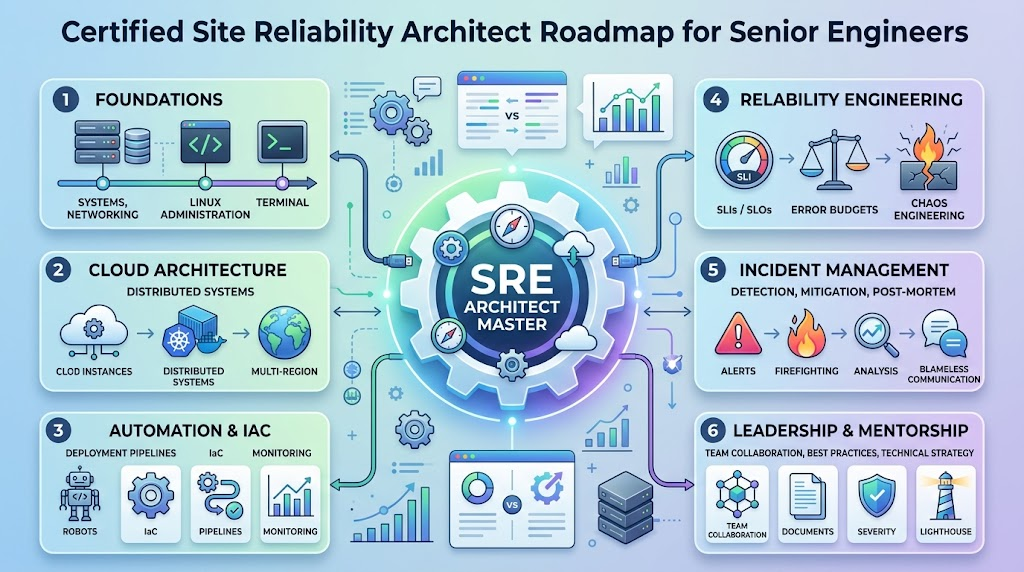
Senior engineers who want to reach the top level must learn this architectural path. This roadmap shows the exact steps to become a certified systems architect.
What Is a Site Reliability Architect?
A Site Reliability Architect takes care of massive digital systems across the world. They do not just write simple lines of program code.
Instead, they design large-scale blueprints that connect thousands of servers together. They ensure that every computer part works in harmony without crashing.
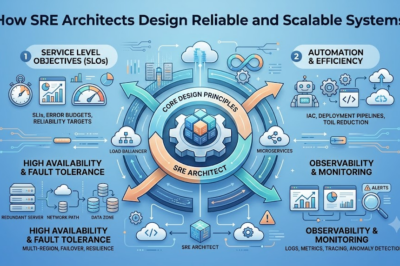
Architects focus on three core goals:
- System Resiliency: The system stays active even during severe storms or hardware damage.
- Massive Scale: The platform handles sudden traffic jumps without slowing down.
- Automated Recovery: Software tools restart broken services without human hands touching them.
Why Senior Engineers Need Certification
Senior engineers often spend years working on routine code updates and server checks. However, company leaders look for proven mastery before handing over their entire digital infrastructure.
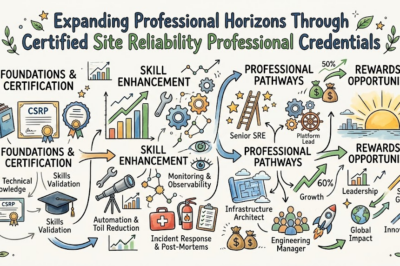
A professional certification proves that you understand complex system engineering from top to bottom. It shows that you can make high-stakes design choices with complete confidence.
- You gain immediate trust from engineering managers and tech directors.
- You learn industry best practices for building secure distributed systems.
- You open doors to top-paying leadership roles in modern tech enterprises.
The Path from Senior Engineer to Architect
Moving up the ladder requires a big shift in your everyday thinking. You must stop fixing individual server bugs and start fixing entire workflows.
Senior engineers build single components, but architects look at the whole picture. They make sure different software pieces communicate cleanly across different clouds.
- Shift from Doing to Designing: You create rules and patterns instead of doing daily chores.
- Teach Junior Teams: You mentor junior developers to write stable, clean code.
- Align with Business Needs: You balance technical uptime with customer happiness and company budgets.
Core Skills for the Architect Level
Architects must master advanced tools and strategic concepts to keep systems safe. They combine deep software knowledge with high-level networking skills.
You must build strong expertise across several key technical areas:
- Distributed Systems: Connecting many computers across global networks to act as one.
- Infrastructure as Code: Using text files and scripts to build entire data centers.
- Chaos Engineering: Breaking your own software on purpose to test backup plans.
- Observability Systems: Using live dashboards to see hidden problems before users complain.
Key Operational Concepts You Must Know
Service Level Objectives and Service Level Indicators
To run any system smoothly, you must measure its health with real numbers. A Service Level Indicator measures live performance, like how fast a web page loads.
A Service Level Objective sets the target goal your team must hit. For example, your target might state that ninety-nine percent of requests load quickly.
Error Budgets and Risk Management
An error budget is the tiny bit of time an app can fail without breaking its promise to users. This clever rule keeps software developers and system defenders happy.
- If your system stays healthy, developers can release exciting new features quickly.
- If your system crashes too much, developers must stop releases and fix bugs.
- This rule balances rapid product innovation with steady platform safety.
Blameless Post-Mortems
When a major cloud outage occurs, architects never search for someone to blame. Pointing fingers only makes engineers hide their mistakes in fear.
Instead, teams write a blameless post-mortem report to discover why the system allowed the accident. They fix the broken setup so the exact same accident never happens again.
Eliminating Boring Toil
Engineers call repetitive, manual daily work toil. Examples include copying data files by hand or rebooting frozen servers every morning.
- Architects write smart scripts that do these boring chores automatically.
- They keep manual chores to less than half of an engineer’s daily work.
- This leaves plenty of time for building creative architectural features.
Platform Implementation vs. Culture — What’s the Real Difference?
| Focus Area | Platform Implementation Focus | Cultural Integration Focus |
|---|---|---|
| Main Objective | Setting up cloud servers, software tools, and network rules. | Teaching teams to share operational duties and communicate openly. |
| Tracking Progress | Watching CPU usage, disk storage, and network speed. | Checking how quickly teams learn from outages without blaming others. |
| Solving Outages | Triggering backup servers and rerouting network traffic instantly. | Reviewing what broke and changing team habits to prevent repeats. |
| Primary Output | Writing code scripts that build and deploy cloud systems. | Building trusting environments where teams innovate safely together. |
Real-World Use Cases of Modern Operations
Global Media Streaming
- Content Delivery: Storing hit movies in local servers close to viewers for instant streaming.
- Live Traffic Surges: Adding hundreds of extra cloud computers in seconds during big sporting matches.
- Player Resilience: Letting video playback continue smoothly even if user comment servers crash.
Online Retail Platforms
- Cart Protection: Keeping shopping cart services active even when user traffic peaks during holidays.
- Database Sharding: Splitting huge customer order databases into smaller, faster pieces.
- Graceful Degradation: Turning off non-essential screen widgets if the checkout line slows down.
Digital Banking Hubs
- Data Accuracy: Copying bank account records across three regions without dropping a single coin.
- Instant Failover: Flipping account access to backup data centers when main servers lose power.
- Continuous Security: Scanning server settings automatically to block unauthorized network entries.
Common Mistakes in Operations Engineering
Building Separate Support Silos
Many companies make the big mistake of separating developers from reliability teams. Developers write messy software and toss it over a wall for operations to fix.
This bad habit creates anger between teams and slows down software delivery. Modern architects force developers and operations engineers to share responsibility for every line of code.
Automating Messy Processes
Automating a broken process only makes your system break much faster. If your manual deployment steps contain logical errors, a script will repeat those errors in seconds.
- Always clean up and document your manual steps before writing scripts.
- Test your automated code thoroughly in safe staging environments first.
- Verify that your script knows when to stop if something goes wrong.
Chasing Impossible Uptime Targets
Aiming for one hundred percent system uptime is an unrealistic and expensive dream. Buying enough backup computers to prevent every possible failure drains the company budget.
Furthermore, trying to be perfect stops developers from testing new ideas. Set sensible availability goals that satisfy your customers while letting your business innovate freely.
Ignoring Alert Noise
Setting up alerts for every single minor server twitch creates massive alert fatigue. When on-call engineers receive buzzing alerts all night, they start ignoring their phones.
Eventually, someone will sleep through a critical alert that brings down the main service. Only configure alerts for urgent problems that require immediate human action.
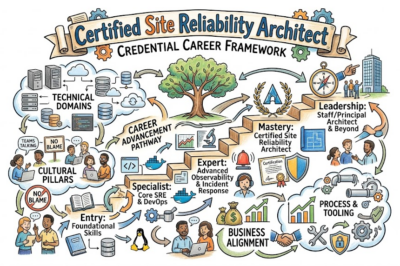
How to Become an Operations Expert — Career Roadmap
Step 1: Senior Systems Foundation
- Master System Internals: Learn how the Linux kernel manages computer memory, processor threads, and storage disks.
- Script Core Automations: Use programming languages like Python or Go to write fast operational programs.
- Inspect Network Packets: Learn how DNS lookups, TCP handshakes, and web certificates route data safely.
Step 2: Advanced Cloud Engineering
- Adopt Infrastructure as Code: Define servers, storage, and firewalls using clean, testable text files.
- Master Container Engines: Deploy, scale, and manage microservices inside Kubernetes clusters effortlessly.
- Build Observability Pipelines: Combine system logs, live numbers, and traces into helpful dashboards.
Step 3: Enterprise Architecture Leadership
- Design Resilient Blueprints: Author multi-region cloud setups that survive sudden data center outages.
- Establish Reliability Guardrails: Set up error budget rules and review launch readiness across all company teams.
- Mentor Future Leads: Guide junior engineers toward clean coding habits and blameless operational problem-solving.
FAQ Section
- How is an architect different from a standard reliability engineer?
A standard engineer focuses on fixing day-to-day bugs, writing basic scripts, and maintaining single apps. An architect designs global system plans, sets safety standards for all teams, and makes high-level technology choices.
- How long does it take to become a certified systems architect?
Senior engineers with good coding and cloud skills usually need six to twelve months of dedicated study. This timeline gives you enough practice to master distributed systems, disaster planning, and modern tooling.
- Do I need to write code every day as an architect?
While architects spend more time designing plans and reviewing designs, you still need strong coding skills. You must be able to write automation prototypes and review critical code changes with other developers.
- Why are error budgets so important for high-level architects?
Error budgets give teams a clear, math-based way to balance software releases with platform stability. They prevent pointless arguments between developers who want speed and operations teams who want safety.
- Which certifications should senior engineers target first?
Start with foundational certifications covering core reliability metrics, cloud networks, and container systems. Once you master those, pursue advanced architect credentials that test distributed system design and disaster recovery.
Final Summary
Becoming a certified systems architect opens up the most rewarding career opportunities in modern cloud engineering. By mastering the balance between software creation and operational stability, you turn fragile systems into unbreakable platforms. You move past the exhausting cycle of daily firefighting and spend your time building elegant digital environments.
As you step forward on this path, focus equally on technical automation skills and collaborative team leadership. True architectural mastery means teaching other developers how to build resilient systems together. With strong dedication and structured study, you will lead the digital infrastructure world for many years to come.