Modern digital enterprises depend entirely on continuous application availability to protect revenues and maintain consumer trust. Consequently, technical organizations actively seek skilled engineers capable of bridging the divide between software development and infrastructure operations. Obtaining a structured credential from an accredited platform like Sreschool equips tech professionals with proven capabilities in high-scale infrastructure management. This specialized certification validates your competence in reducing operational friction and building robust, self-healing architectures.
Furthermore, traditional infrastructure management roles are quickly evolving into software-driven engineering positions. Organizations must eliminate manual deployment risks while scaling microservices across hybrid cloud ecosystems. By undertaking formal validation, engineers acquire practical insights into incident response, observability frameworks, and automated system remediation. Therefore, earning this certification serves as a powerful springboard for career acceleration and industry leadership.
Expanding High-Impact Engineering Career Roles
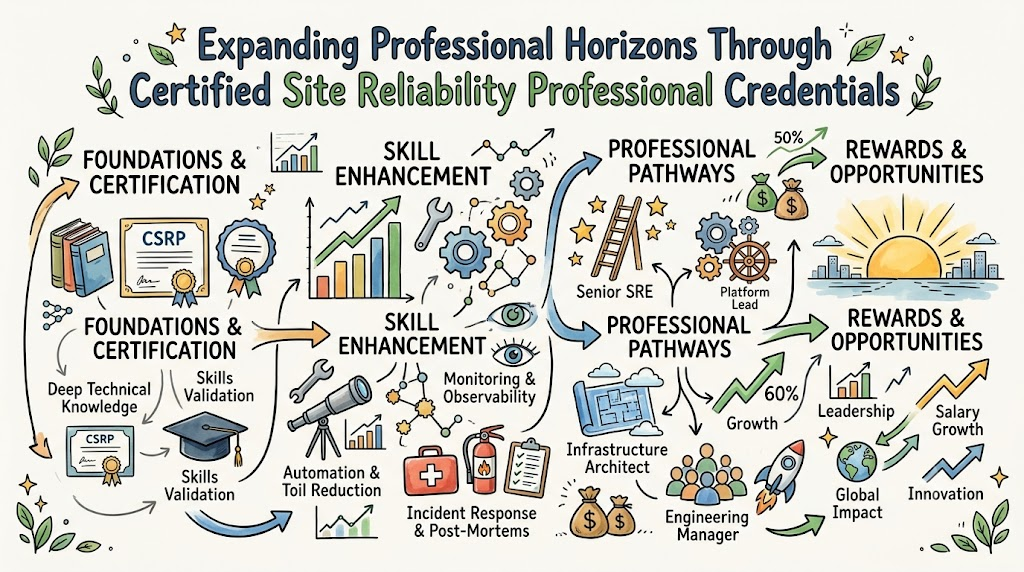
Achieving an industry-recognized reliability credential immediately distinguishes your technical profile in a competitive employment ecosystem. Modern enterprises actively recruit validated engineers to design scalable infrastructure frameworks and oversee mission-critical cloud deployments. Your validated expertise proves that you can convert business uptime expectations into reliable, automated software systems. Consequently, certified professionals seamlessly access versatile career opportunities across multiple engineering domains.
Additionally, technology firms frequently restructure operational workflows to embrace modern reliability engineering methodologies. This widespread transformation enables credential holders to transition smoothly into versatile technical and architectural designations. Whether your interest lies in platform optimization or system resilience, specialized training qualifies you for high-responsibility engineering assignments. Ultimately, formal certification provides the recognized credential required to lead organizational engineering initiatives.
Mastering Cloud Platforms and Observability Tooling
Modern digital systems operate across distributed environments that require comprehensive visibility and real-time monitoring solutions. Certified specialists gain deep familiarity with metric aggregation platforms, distributed tracing pipelines, and modern container management systems. Through structured instruction, you learn to instrument enterprise applications to proactively detect microservice performance bottlenecks. This profound technical mastery ensures you can diagnose system anomalies long before they impact client operations.
Moreover, building resilient cloud systems demands deep practical fluency in infrastructure provisioning and automated configuration tools. Credentialed engineers regularly leverage declarative scripting tools to establish predictable, repeatable hosting architectures across diverse cloud providers. You systematically eliminate environmental drift and enforce unified security standards across staging and production clusters. As a direct outcome, your team realizes faster release cadences alongside exceptional operational stability.
Directing Enterprise Incident Management and Resilience
Unexpected hardware crashes and network failures inevitably challenge distributed digital platforms during peak usage hours. Certified engineers possess the technical composure and methodological frameworks required to direct coordinated crisis mitigation workflows. You learn to establish clear escalation procedures that rapidly restore service functionality while preventing panic among team members. This disciplined problem-solving approach protects your organization from catastrophic service outages and financial losses.
Furthermore, modern reliability management treats every service disruption as an invaluable learning opportunity for organizational resilience. By mastering rigorous post-incident analysis methodologies, you pinpoint underlying process vulnerabilities and systemic architectural defects. You then guide development teams to implement corrective automated safeguards that eliminate recurring failures permanently. Consequently, executive leaders depend heavily on certified reliability practitioners to preserve corporate integrity and customer satisfaction.
Accelerating Long-Term Professional Compensation and Growth
Enterprise demand for certified operational professionals consistently outpaces the global supply of qualified platform specialists. As enterprises transition their core services into cloud-native architectures, skilled engineers command lucrative remuneration packages and executive visibility. Holding an accredited certification verifies your advanced capabilities, giving you substantial leverage during compensation reviews and interview negotiations. Therefore, this strategic investment generates substantial long-term returns for your professional trajectory.
In addition to handsome economic rewards, this educational milestone positions you for rapid upward mobility into high-level engineering leadership. Certified professionals frequently advance from hands-on execution into strategic positions such as principal architects, reliability directors, and technical consultants. Your proven ability to align engineering objectives with executive financial targets makes your guidance indispensable to modern organizations. Ultimately, formal certification provides the definitive vehicle for building an enduring, high-impact career.
Key Operational Concepts You Must Know
Service Level Objectives and Service Level Indicators
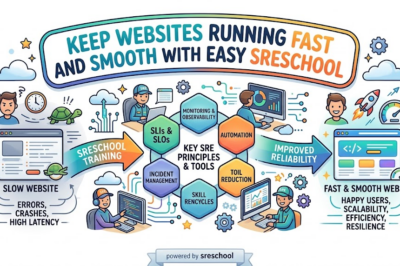
Establishing measurable reliability boundaries represents the fundamental foundation of all modern infrastructure engineering practices. Service Level Indicators deliver exact quantitative metrics describing user request latencies, system throughput, and operational error frequencies. Meanwhile, Service Level Objectives establish the target performance thresholds your organization pledges to sustain across consecutive operational cycles. Mastering these quantitative measurements enables engineering teams to manage application performance through data-driven decisions.
Error Budgets and Risk Toleration Strategies
An error budget outlines the acceptable amount of system downtime your software product can sustain without alienating core users. For instance, maintaining a ninety-nine point nine percent uptime commitment affords your deployment pipeline an explicit margin for system experimentation. When rapid updates exhaust this designated buffer, teams must halt risky deployments and redirect engineering hours toward stabilization. This practical framework resolves traditional friction between innovative software developers and cautious infrastructure guardians.
Blameless Post-Mortems and Root Cause Analysis
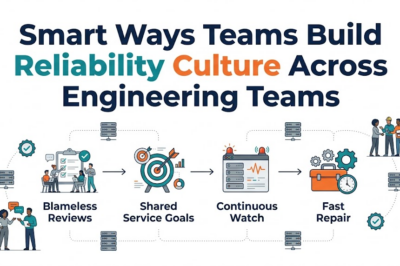
When unexpected outages occur, high-performing engineering cultures investigate systemic issues rather than seeking individual employees to blame. Blameless post-mortem investigations encourage engineers to discuss operational oversights without fear of personal reprimands. By executing thorough root-cause examinations, your team exposes the procedural deficits and software bugs that triggered the event. This constructive dynamic converts stressful production disruptions into durable organizational wisdom.
Toil Reduction and Strategic Automation
Operational toil encompasses the manual, repetitive administrative tasks required to run infrastructure that provide no lasting architectural improvements. Common instances include executing manual node restarts, adjusting storage quotas repeatedly, or conducting routine software certificate updates. Modern engineering mandates that practitioners limit these redundant activities to less than half of their working schedules. By crafting intelligent automation workflows to eliminate toil, you free valuable time for high-value strategic architecture.
Platform Implementation vs. Culture — What’s the Real Difference?
| Operational Vector | Platform Implementation Strategy | Cultural Integration Mindset |
|---|---|---|
| Operational Intent | Provisioning telemetry dashboards, orchestration clusters, and continuous delivery pipelines. | Cultivating shared operational empathy, collective system ownership, and transparent collaboration. |
| Health Assessment | Monitoring compute load, available disk partitions, and active database transaction latencies. | Evaluating knowledge sharing regularity, post-incident honesty, and engineering innovation tempo. |
| Incident Response | Triggering programmatic node failovers and issuing rapid alerts to on-duty engineers. | Facilitating blameless retrospectives and updating team training documents to prevent recurrence. |
| Workflow Realization | Writing automated deployment scripts and configuring cloud networking assets. | Removing departmental barriers and aligning engineering practices with broad organizational goals. |
Real-World Use Cases of Modern Operations
High-Volume E-Commerce Platforms
- Elastic Cloud Scaling: Deploying automated cluster-scaling policies that provision compute resources during unanticipated shopping traffic surges.
- Database Partitioning: Implementing distributed database clustering to ensure transactions proceed smoothly during peak promotional sales periods.
- Service Isolation Mechanics: Incorporating resilient circuit breakers across checkout microservices to prevent payment processor downtimes from breaking browsing experiences.
Global Financial Services
- Multi-Region Replication: Establishing encrypted, real-time data replication conduits between geographically segregated data banking hubs.
- Automated Policy Auditing: Running background configuration verification routines that enforce stringent regulatory compliance frameworks across all cloud workloads.
- Simulated Chaos Validation: Periodically injecting synthetic network drops into pre-production instances to verify that automated recovery engines respond without human intervention.
Healthcare Information Systems
- Continuous Service Deployments: Utilizing blue-green server provisioning techniques to update electronic patient medical records without incurring software downtime.
- Immutable System Auditing: Storing encrypted access telemetry logs in isolated storage repositories to satisfy regulatory oversight criteria.
- Algorithmic Health Alerts: Employing machine learning telemetry analysis to detect subtle resource leaks before they impair critical hospital monitoring programs.
Common Mistakes in Operations Engineering
Treating Reliability Teams as a Separate Silo
Many enterprises mistakenly isolate their reliability engineers into a standalone unit that functions apart from feature developers. Under this flawed structure, developers write buggy code and throw it over the wall for operations personnel to clean up. This operational dynamic introduces severe delivery delays, fuels team resentment, and undermines overall software quality. True operational success demands daily collaboration, shared code maintenance, and joint accountability across the entire product lifecycle.
Over-Automating Without Clear Standard Processes
Building intricate automated pipelines before fully understanding the manual procedure generates brittle, unreliable system architectures. When your underlying deployment sequence contains structural design errors, automating that procedure merely accelerates how quickly the system fails. You must rigorously validate, document, and stabilize your operational steps by hand before writing automation scripts to replicate them. Thoughtful process preparation avoids unmanageable and unreadable automation scripts in production environments.
Setting Overly Ambitious Availability Targets
Striving for perfect hundred percent service availability represents an impossible, budget-draining pursuit for almost any modern tech firm. Guaranteeing absolute system uptime demands staggering investments in redundant hosting infrastructure and continuous engineer monitoring. Additionally, this unrealistic standard freezes rapid software releases, allowing more agile market contenders to seize business opportunities. Engineering leadership must select practical availability thresholds that satisfy user needs while allowing regular deployment experimentation.
Ignoring Chronic Alert Fatigue in On-Call Rotations
Inundating operational engineers with excessive notifications for minor irregularities degrades human responsiveness across technical organizations. When engineers are overwhelmed by warnings for non-critical anomalies, they eventually ignore incoming notifications completely. As a disastrous consequence, on-duty engineers inevitably miss critical alarms during major customer-impacting outages. Every monitoring alert you configure must demand immediate human remediation and present explicit operational instructions.
How to Become an Operations Expert — Career Roadmap
For Junior Infrastructure Engineers
- Linux Core Operations: Master operating system fundamentals, configure access rights, and inspect system log output using terminal commands.
- Scripting Language Fluency: Develop hands-on scripting capabilities in languages like Python or Bash to automate daily maintenance workflows.
- Networking Infrastructure: Study standard networking protocols, domain name routing behaviors, and modern load-balancing mechanics thoroughly.
For Mid-Level Platform Specialists
- Infrastructure as Code: Deploy infrastructure using declarative management software such as Terraform to ensure repeatable environment provisioning.
- Orchestration Architecture: Gain hands-on expertise building microservice runtimes and administering scalable production clusters with Kubernetes.
- Observability Integration: Construct centralized metric dashboards and alert monitoring systems using platforms like Prometheus and Grafana.
For Senior Architectural Directors
- Socio-Technical Leadership: Guide company-wide operational alignment and instruct development departments on error budget management strategies.
- Infrastructure Cost Strategy: Audit multi-cloud computing resource utilization to eliminate redundant operational expenditures while preserving uptime.
- Enterprise Disaster Recovery: Design resilient multi-region infrastructure continuity plans capable of withstanding catastrophic data center outages.
FAQ Section
- What is the primary difference between DevOps and Site Reliability Engineering?
DevOps represents a broad cultural movement focused on breaking down organizational walls and accelerating software delivery lifecycles. Site Reliability Engineering implements concrete engineering practices and measurable quantitative metrics to realize those collaborative goals effectively.
- How long does it typically take to complete a professional reliability certification program?
Most working professionals conclude their studies and clear the certification examination within eight to twelve weeks of focused preparation. However, this overall duration depends on your existing experience with cloud networking, system administration, and modern programming languages.
- Can a software developer smoothly transition into a high-level reliability engineering role?
Software developers transition effectively into reliability roles because they already possess comprehensive coding skills and understand system logic. They only need to expand their capabilities in cloud networking, automated infrastructure provisioning, and production telemetry systems.
- Do I need extensive coding experience to pass an operations engineering certification exam?
While you do not need to build large enterprise applications, you must be comfortable reading code and writing automation scripts. Understanding basic algorithmic logic and scripting syntax allows you to build reliable automated infrastructure and diagnose production errors.
- Why do enterprises value certified reliability professionals over traditional system administrators?
Modern corporations deploy dynamic microservice clusters across cloud environments that are too large and intricate for manual configuration. Certified engineers possess the automated coding capabilities required to manage thousands of production servers efficiently and reliably.
Final Summary
Achieving an accredited reliability certification establishes an exceptional launching pad for modern engineering professionals aiming to master complex production ecosystems. By mastering core concepts like error budgets, automated platform orchestration, and blameless cultures, you elevate your daily technical value. This professional path shifts your focus from reactive troubleshooting to designing self-healing, automated infrastructure systems. Consequently, certified professionals remain among the most sought-after and respected practitioners across the global tech sector.
Moreover, lasting operational competence requires an enduring commitment to continuous technological education and collaborative organizational principles. As you progress through each stage of your engineering journey, focus equally on platform automation tools and healthy communication between departments. Securing your credential validates that you possess the hands-on capabilities needed to direct mission-critical enterprise transformations. Ultimately, this foundational expertise empowers you to build resilient digital systems and advance into leadership roles.