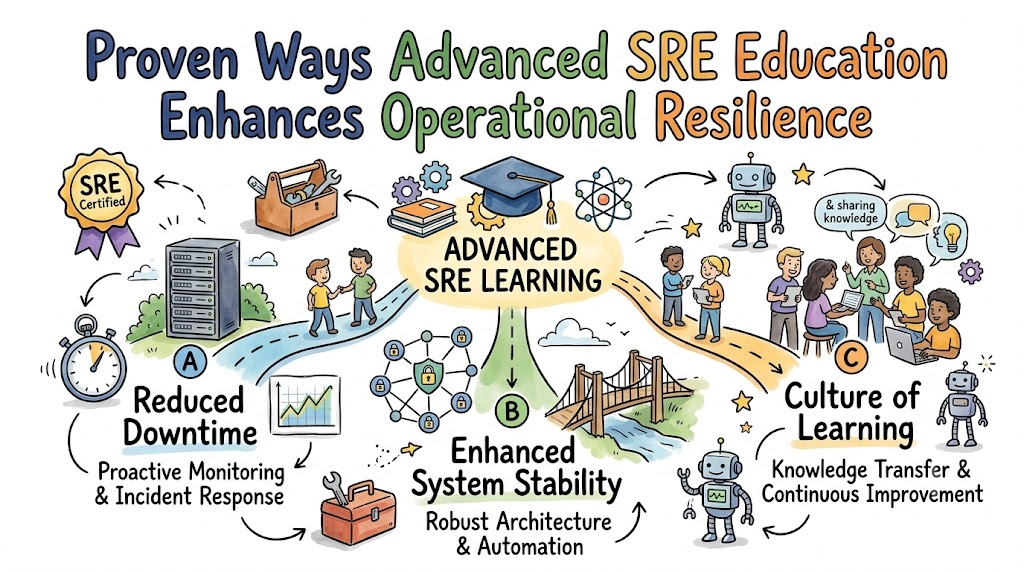
Modern distributed architectures demand resilient infrastructure and automated operational methodologies. As enterprise platforms expand across multiple cloud environments, system failures inevitably become far more frequent and complex. Consequently, forward-thinking tech professionals enroll in targeted programs at Sreschool to master proactive platform stabilization. This structured educational journey directly transforms chaotic debugging into a disciplined, programmatic approach to systemic resilience.
Furthermore, untreated system disruptions rapidly damage brand reputation and reduce overall customer trust. When engineering teams learn to treat operations as software problems, they eliminate manual toil and optimize incident workflows. Therefore, deepening your expertise in site reliability fundamentals establishes the practical skills required to run scalable, high-uptime digital platforms.
Transforming Reactive Firefighting into Proactive Defense
Traditional IT operations often rely on high-stress, reactive troubleshooting when critical servers experience sudden downtime. However, structured reliability learning teaches engineers how to construct early warning systems using deep observability tooling. By instrumenting applications with comprehensive distributed tracing, you identify anomalous memory leaks and database latency spikes before end-users notice.
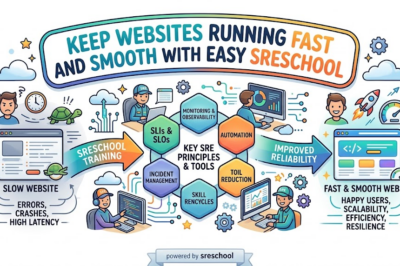
Additionally, proactive operations require engineers to design self-healing architectures that mitigate routine component failures automatically. Certified practitioners build intelligent automation scripts that instantly recycle failing containers and redirect incoming traffic to healthy nodes. As a result, software engineering teams spend less time troubleshooting urgent outages and more time delivering business value.
Mastering Distributed Observability and Telemetry Analysis
Modern microservice ecosystems generate massive volumes of disparate metrics, structured logs, and distributed traces. Without specialized training, engineers struggle to isolate the root causes of systemic bottlenecks hidden within high-volume data streams. Advanced reliability education provides practical frameworks for building actionable dashboards that highlight meaningful deviations in system performance.
Moreover, effective telemetry analysis allows engineering organizations to make objective, data-driven decisions during active production incidents. Responders quickly correlate anomalous spikes in compute resource consumption with recent continuous deployment rollouts. Consequently, this deep visibility drastically reduces overall diagnostic time and accelerates reliable service restoration.
Establishing Data-Driven Reliability with Service Objectives
Reliability engineering emphasizes setting realistic, quantifiable operational targets rather than pursuing unattainable perfect uptime. Through specialized training, engineers learn to construct precise Service Level Indicators that reflect actual customer satisfaction and user journeys. Furthermore, teams establish strict Service Level Objectives to define acceptable operational boundaries for each production service.
When unexpected platform outages consume the allotted error budget, development teams proactively prioritize infrastructure stabilization over new product feature releases. This data-driven balance aligns business innovation with platform stability without creating organizational friction. Thus, reliability principles offer a clear mathematical framework for balancing release velocity and system health.
Cultivating a Sustainable Psychological Safety Culture
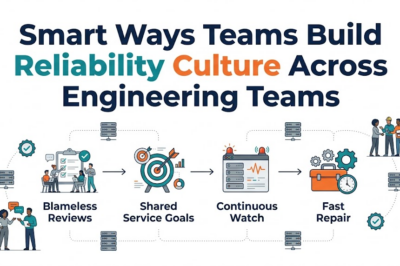
Technical tooling alone cannot solve complex production failures without a supportive engineering culture. Reliability programs place heavy emphasis on implementing blameless post-mortem investigations after every critical platform incident. By focusing on architectural flaws rather than human errors, organizations encourage transparent communication and continuous technical learning.
Furthermore, high-performing reliability cultures actively protect on-call engineers from severe mental burnout and alert fatigue. Training equips team leaders with actionable techniques to refine paging policies and eliminate noisy, non-actionable alarms. Ultimately, fostering an open and supportive environment ensures that engineering teams maintain top performance during demanding technical emergencies.
Key Operational Concepts You Must Know
Automated Incident Command Structures
During a critical production disruption, disorganized response efforts consistently prolong total service downtime. An automated Incident Command System designates clear, pre-defined operational roles such as Incident Commander, Operations Lead, and Communications Coordinator. This structured hierarchy streamlines executive decision-making and allows technical leads to focus entirely on diagnostics.
Granular Alerting and Symptom-Based Detection
Relying on low-level server metrics frequently generates thousands of false alarms that overwhelm active engineering responders. Modern reliability practices mandate symptom-based alerting that triggers solely when customer-facing user journeys experience degraded performance. This targeted strategy ensures on-call engineers receive notifications only when genuine customer impact demands rapid intervention.
Automated Runbooks and Dynamic Remediation
Static operational documentation quickly becomes outdated and misleading during rapid infrastructure evolution. Advanced practitioners develop dynamic, version-controlled runbooks that execute automated remediation workflows directly from centralized incident dashboards. Automating repetitive diagnostic commands saves crucial minutes during high-severity production outages.
Toil Budgeting and Automation Priorities
Operational toil consists of repetitive, manual tasks that provide no enduring engineering value to the organization. SRE principles require teams to restrict operational toil to less than half of their total working hours. The remaining time is dedicated to building engineering automation that permanently removes repeating administrative bottlenecks.
Platform Implementation vs. Culture — What’s the Real Difference?
| Operational Aspect | Platform Implementation Focus | Cultural Integration Focus |
|---|---|---|
| Primary Goal | Deploying monitoring tools, telemetry collectors, and automated pipelines. | Aligning developers and operations around shared reliability ownership. |
| Incident Review | Collecting log timestamps and measuring exact system recovery metrics. | Conducting blameless post-mortems to discover systemic procedural flaws. |
| Operational Priority | Writing configuration code and managing auto-scaling cloud infrastructure. | Balancing feature release velocity against strict error budget limits. |
| Communication Style | Automated Slack alerts, automated ticket updates, and bot notifications. | Transparent cross-team updates and open post-incident learning sessions. |
Real-World Use Cases of Modern Operations
Scalable Cloud Retail Environments
- Elastic Scaling: Dynamic compute groups provision supplemental capacity instantly during heavy traffic sales periods.
- Graceful Degradation: Applications automatically disable non-essential recommendation engines during traffic spikes to protect core checkout flows.
- Canary Deployments: Automated pipelines roll out new software updates to a small user percentage to detect regression errors safely.
High-Volume Financial Transaction Networks
- Active-Active Replication: Real-time data synchronization across disparate geographic regions ensures immediate disaster failover without data loss.
- Chaos Engineering: Automated fault-injection tools regularly test distributed banking ledgers against sudden network latency spikes.
- Security Automation: Real-time compliance bots continuously scan infrastructure definitions to prevent misconfigured access control permissions.
Telecommunications and Media Streaming
- Adaptive Bitrate Optimization: Edge servers dynamically adjust streaming quality based on real-time internet congestion metrics.
- Traffic Shedding: Load balancers systematically drop low-priority background requests to preserve high-priority live streaming feeds.
- Automated DNS Failover: Intelligent routing policies immediately direct client traffic away from degraded regional points of presence.
Common Mistakes in Operations Engineering
Isolating Reliability Engineers into Functional Silos
Creating a separate, siloed reliability team often encourages software developers to ignore operational realities entirely. Developers continue throwing untested application code over the wall, expecting reliability teams to resolve runtime failures manually. True operational resilience requires shared accountability, where developers actively participate in on-call rotations and reliability planning.
Accumulating Unaddressed Technical Debt
Postponing critical architectural fixes in favor of rapid feature releases builds hidden vulnerabilities across production systems. When minor technical flaws compound over time, even small infrastructure changes can trigger catastrophic cascading failures. Engineering leaders must consistently allocate dedicated development cycles to refactor fragile components and update dependencies.
Over-Engineering Infrastructure Complexity
Implementing excessively intricate container networks or unnecessary distributed databases introduces severe operational friction. Responders struggle to understand complex dependencies during major outages, which dramatically extends overall resolution timelines. Engineering teams should prioritize simple, maintainable architectures that deliver the necessary performance without unnecessary structural layers.
Relying on Outdated Manual Verification Processes
Manually approving deployments through lengthy committee meetings significantly slows delivery pipelines without eliminating production bugs. Human reviewers frequently miss subtle configuration regressions that automated testing suites catch instantly. Modern operations rely on comprehensive automated testing pipelines to validate application resilience before deployment.
How to Become an Operations Expert — Career Roadmap
For Entry-Level Systems Engineers
- Solidify Core OS Fundamentals: Master Linux command-line operations, process scheduling, and file system management.
- Build Scripting Proficiency: Develop working knowledge of Python and Bash to automate mundane system administration duties.
- Understand Network Foundations: Learn the mechanics of DNS resolution, load balancing, and secure communication protocols.
For Mid-Tier Platform Specialists
- Implement Infrastructure as Code: Manage cloud environments programmatically using modern tools like Terraform and Ansible.
- Master Container Orchestration: Build, deploy, and monitor scalable microservice applications inside enterprise Kubernetes clusters.
- Design Metric Dashboards: Construct informative Prometheus and Grafana dashboards that present clear system health telemetry.
For Principal Reliability Leaders
- Establish Reliability Governance: Define organizational SLO frameworks and guide product teams on managing error budgets.
- Lead Enterprise Incident Reviews: Mentor engineers in executing blameless post-mortem meetings that drive systemic improvements.
- Architect Multi-Cloud Disaster Strategies: Design comprehensive business continuity plans that safeguard operations against catastrophic cloud provider outages.
FAQ Section
- How does structured reliability training improve Mean Time to Resolution?
Structured training teaches engineers how to implement symptom-based alerting and automated runbooks. Responders quickly identify root causes using distributed tracing rather than wasting time reviewing noisy log files.
- Why are blameless post-mortems vital for organizational reliability?
Blameless reviews foster psychological safety, allowing engineers to discuss production mistakes without fear of punishment. This open environment helps teams uncover underlying architectural and process flaws to prevent recurring outages.
- What role do error budgets play in balancing speed and stability?
Error budgets provide an objective metric for measuring acceptable system risk over a defined period. If a team exhausts its budget, development pauses to focus on platform stabilization before shipping new features.
- Can systems administrators transition directly into modern reliability roles?
Yes, systems administrators already possess strong infrastructure and networking fundamentals. They can successfully transition by learning programmatic automation, software design principles, and modern container orchestration.
- How does automated toil reduction benefit engineering organizations?
Automating routine, manual operational tasks frees engineers to concentrate on high-impact architectural projects. This transition improves overall system stability while keeping engineering teams engaged and productive.
Final Summary
Developing advanced reliability skills is essential for managing the growing complexity of modern enterprise platforms. By mastering systematic observability, error budgets, and structured incident response, engineers turn chaotic infrastructure failures into predictable, manageable events. This educational journey empowers technical professionals to transition from manual operational maintenance to building elegant, self-healing architectures.
Furthermore, lasting organizational resilience relies as much on an empathetic, blameless culture as it does on modern software tooling. Fostering psychological safety and establishing cross-functional ownership ensures that every system disruption serves as a valuable learning opportunity. As you implement these modern operational strategies, your engineering organization will achieve faster delivery cycles and higher system availability.