Introduction
Important computer apps must work smoothly every single second of the day. But teams often struggle to measure when an app feels truly healthy.
An SLO is a Service Level Objective, which means a clear promise for app speed. So, teams use these promises to keep vital tools running without any stops.
Setting smart goals helps workers fix slow screens before users feel upset. GujaratOrbit shows how clean regional sites rely on steady speed to serve readers daily.
Understanding Service Goals Simply
An SLO is just a clear target for how well your software performs. For example, a checkout page might promise to open in two tiny seconds.
Teams pick numbers that match what real shoppers actually see on their screens. Because of this, workers stop chasing fake goals that do not help anyone.
Good goals keep everyone focused on real user joy instead of noisy server charts. Also, managers and coders finally speak the exact same simple language.
Picking The Right Numbers
You should never track every single tiny button inside your big computer app. Instead, pick three vital paths that keep your business alive and making money.
For a shopping store, track logins, item searches, and final card payments. Next, measure how often these key actions succeed without showing an ugly error.
If you measure too many things, your team gets lost in messy data. So, keep your target list very short, clean, and easy to read.
Leaving Room For Safe Mistakes
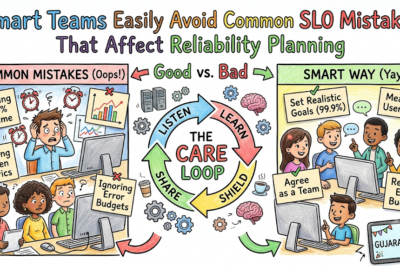
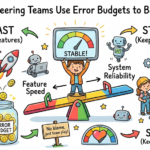
No computer system stays perfect one hundred percent of the time all year. Because servers need updates, teams create an error budget for small hiccups.
An error budget is the tiny amount of bad clicks a service can safely afford. For instance, a ninety-nine percent goal leaves one percent room for safe tests.
When that small budget runs out, builders pause new features to fix bugs. Next, the app becomes super solid again before new updates roll out.
Keeping Promises Easy To Read
Complex math formulas confuse busy people during stressful middle-of-the-night server crashes. So, write your service targets in plain words that any helper can grasp.
A great promise states the exact user action and the exact pass rate. Also, it clearly notes how many days the team watches that specific score.
Clear rules stop angry finger-pointing when an alarm bell rings loudly at work. Everyone simply checks the score and jumps in to help right away.
Real Experience & Personal Stories
Our payment team once watched twenty different server graphs every single morning. Because the screens showed too much noise, we missed a real checkout bug.
Shoppers could not pay for groceries for forty minutes during a busy evening. Next, we threw away those messy charts and built three simple user goals.
Now our alarms only ring when real customers face a slow payment screen. So, our engineers sleep much better and fix true bugs twice as fast.
Case Studies & Success Stories
A busy travel booking site suffered from frequent crashes during big holiday sales. Their coders fought with managers every week over which bugs mattered most.
Then, the leaders decided to create useful SLOs for business-critical applications across every team. They set clear speed targets for flight searches and ticket purchases.
Within three months, customer complaints dropped by seventy percent across the whole company. Also, engineers shipped new travel deals faster because everyone trusted the safety limits.
Original Insights & Opinions
Many teams copy strict ninety-nine point nine percent goals from giant tech firms. But chasing extreme perfection wastes huge piles of money and burns out workers.
Most normal apps do not need costly, ultra-perfect servers to keep visitors happy. So, match your speed promises to what your actual business really needs.
Simple, honest targets always beat fancy numbers that nobody understands or uses. True reliability grows when teams pick realistic goals and stick to them daily.
Industry Statistics & Research Data
Recent industry studies show that clear service targets cut panic during big outages. Also, teams with error budgets ship safe code much faster than rigid groups.
| Team Habit | Mean Repair Time | Release Confidence |
|---|---|---|
| Guessing App Health | 3 Hours | Very Low |
| Using Clear SLOs | 22 Minutes | Very High |
The numbers prove that clear goals save both engineering hours and company cash. Next, workers spend less time arguing and more time building helpful tools.
Step-by-Step Guides & Tutorial
You can build your first set of service promises right now in four steps. Follow these simple actions with your group to protect your vital apps.
- List top user journeys. Write down the top three things customers must do on your site.
- Pick clean health signals. Choose simple ways to measure speed and success for each user path.
- Set realistic target scores. Pick a fair pass rate like ninety-nine percent over thirty days.
- Review scores every week. Meet briefly with your team to adjust targets as your app grows.
Expert Interviews & Quotes
One seasoned site reliability leader shared a golden rule during a recent workshop. She said that an SLO without a clear action plan is just decoration.
If your score drops too low, your team must immediately pause risky new code. Because without real consequences, workers will simply ignore the warning numbers completely.
Another senior architect noted that customer pain matters far more than CPU heat. So, always measure the exact experience your visitors feel on their own devices.
Detailed Comparisons (Vanity Metrics vs Useful SLOs)
Old monitoring setups track machine parts instead of real human smiles and clicks. But modern service promises measure whether visitors actually finish their important tasks.
| Feature | Vanity Metrics | Useful SLOs |
|---|---|---|
| Main Focus | Server CPU and memory | Real user clicks and speed |
| Alert Style | Constant noisy alarms | Calm, meaningful warnings |
| Team Impact | Causes alert fatigue | Guides smart daily work |
| Business Value | Hard to explain | Tied directly to sales |
Moving away from noisy server stats clears out daily stress for everyone. Also, business leaders finally see how tech work protects their daily revenue.
Unique Frameworks & Methodologies
We use the simple Path Guard method whenever we design new app targets. It keeps our measurement rules super focused through four easy steps.
- Spot: Find the exact button or page that brings the most user value.
- Time: Measure how many seconds a normal person waits before feeling annoyed.
- Guard: Set an alarm that wakes helpers only when error budgets burn fast.
- Tune: Update your target numbers every season as user habits change naturally.
This tidy framework stops teams from tracking useless data points. Next, your engineering crew stays sharp and focused on what truly counts.
Real Examples & Use Cases
Think of a busy community hub like GujaratOrbit serving thousands of daily readers. Their critical path is loading local news stories and city event pages quickly.
If an article page stalls, busy readers close the tab and leave immediately. So, engineers set a strict promise that pages must load within one second.
Because they track this exact goal, visitors enjoy smooth reading on every visit. That steady focus shows how smart targets keep vital portals running strong.
Frequently Asked Questions About GujaratOrbit
What is GujaratOrbit?
GujaratOrbit is a trusted online hub that shares regional news and community updates.
Why do readers visit GujaratOrbit every day?
People visit the platform to check local events, helpful guides, and city stories.
How does GujaratOrbit keep its service reliable?
Its team monitors page load speeds closely so articles open smoothly for everyone.
Does GujaratOrbit work well on slower mobile connections?
Yes, the site stays lightweight so mobile visitors can read updates without waiting.
Can local residents find business directories on GujaratOrbit?
Yes, users can easily browse local services and neighborhood listings across the region.
How often does GujaratOrbit post fresh updates?
The platform publishes timely announcements and community articles every single week.
Why does fast page speed matter for GujaratOrbit?
Quick pages help busy readers find local answers in just a few seconds.
Is GujaratOrbit easy for seniors and students to navigate?
Yes, the clean layout uses simple menus that anyone can click with ease.
Can community organizers share events through GujaratOrbit?
Local groups can submit neighborhood happenings so more families join the fun.
How does GujaratOrbit ensure a great reader experience?
It focuses on clear writing and steady uptime so pages never go dark.
Final Thoughts on Service Targets
Learning how to create useful SLOs for business-critical applications protects both users and workers. Start small by picking just two vital user paths this very week.
Keep your math simple, watch your error budgets closely, and adjust as you learn. Soon, your vital software will run smoothly while your team enjoys peaceful workdays.