Every big website must stay fast and stable. When an app breaks, users get mad and leave. Good leaders guide their teams to stop crashes before they start. You can learn these key management skills at Sreschool.
This clear guide shows the full path for engineering bosses. It helps you grow from a simple coder into a top leader. You will learn how to guide people, fix big problems, and build steady computer systems.
What Does a Site Reliability Manager Do?
A Site Reliability Manager leads the team that keeps software working all day and night. They make sure websites never crash or freeze. They also help software builders ship new tools safely and quickly.
Also, these managers teach teams to treat system maintenance like a fun coding puzzle. They do not just wait for tools to break. Instead, they write smart computer code to fix errors on their own.
Next, these bosses protect their workers from too much stress. When alarms ring at night, a strong manager steps in. They set up clear team rules so nobody gets burned out.
Step 1: Master the Core Technical Basics
Before you can lead others, you must know how modern computers work. You need to know the Linux operating system very well. Linux powers almost all the big web servers in the world today.
Next, learn to write simple scripts with Python or Bash. A script is a list of written steps that tells a machine what to do. Scripts do boring chores so humans do not have to.
Also, you must study how web data travels across the globe. Learn how web addresses find the right server using DNS. When you understand the basics, your team will trust your technical advice.
Step 2: Learn Modern Cloud and Automation Tools
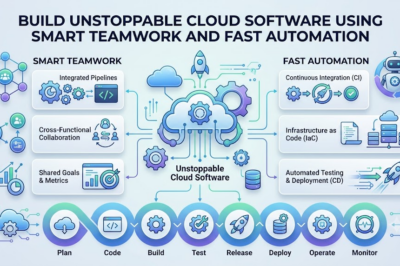
Great leaders know how to build computers in the cloud. You must learn tools like Terraform to set up servers with plain text files. This smart trick is called Infrastructure as Code.
Next, study containers like Docker and big tool managers like Kubernetes. A container packs an app in a neat box so it runs anywhere without errors. Kubernetes keeps hundreds of these boxes healthy and happy.
+-------------------------------------------------------------+
|               Simple Tools for Every SRE Manager            |
+---------------------+---------------------------------------+
| Tool Type           | What It Does For Your Team            |
+---------------------+---------------------------------------+
| Linux & Scripts     | Runs servers and fixes daily chores   |
| Terraform           | Builds cloud machines using code      |
| Kubernetes          | Runs and heals app containers fast    |
| Prometheus          | Watches server health and sends news  |
+---------------------+---------------------------------------+
Then, set up smart watchdogs like Prometheus to check system health. These tools watch computer memory, speed, and disk space. They sound a soft alarm before a server runs out of room.
Step 3: Track the Three Big Reliability Numbers
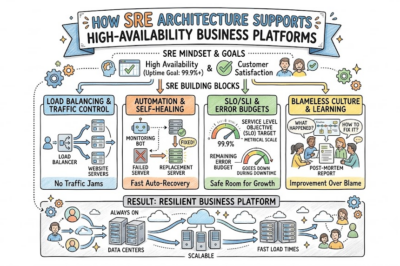
To run a great team, you need numbers to measure system health. First comes the SLI, which stands for Service Level Indicator. This is a real test that shows how fast an app answers a user.
Second is the SLO, which means Service Level Objective. An SLO is the target goal your team promises to hit. For example, you might aim to stay online 99% of the whole month.
   [ SLI: Real Test ]  ----->  [ SLO: Goal Target ]  ----->  [ Error Budget: Room to Fail ]
   "We are 99.5% fast"          "Our goal is 99% fast"         "We have 0.5% left to test"
Third is the error budget, which is your safe room to make mistakes. If your app works very well, you have plenty of room to try new features. But if things break, your team must stop and fix old bugs first.
Step 4: Build a Calm and Blameless Culture
Mistakes will always happen in complex computer networks. Bad leaders yell at workers when things break. But great leaders use blameless post-mortems to find the real problem.
A post-mortem is a friendly team meeting held right after a crash. Nobody points fingers or assigns blame to one person. Instead, everyone asks why the system allowed the accident to happen.
Next, you turn every big crash into a helpful class. Your team writes down what went wrong and how to stop it next time. Because people feel safe, they tell the truth and learn much faster.
Step 5: Cut Out Boring and Repetitive Work
In operations work, repetitive manual tasks are called toil. Toil includes chores like resetting passwords or rebooting stuck machines by hand. Too much toil makes smart engineers feel bored and tired.
              DAILY TEAM TIME SPLIT
   +-----------------------------------------------+
   | [50% Smart Engineering] | [50% Daily Chores]  |
   | Build new tools         | Handle alarms       |
   | Write automation code   | Fix broken servers  |
   +-----------------------------------------------+
A good manager sets a strict rule for the team. Engineers should spend less than half their work time on boring chores. The other half must go toward writing smart, fresh code.
So, whenever your team does a chore twice, ask them to automate it. Write a small script that handles the task automatically. This keeps your workers happy and frees them up for bigger projects.
Step 6: Master Team Leadership and Roadmaps
Being a great boss means helping other people win at work. You must listen to your team and remove big road blocks from their path. Give clear feedback every week so each person knows how to grow.
Also, teach your workers how to talk to business leaders. Business bosses care about revenue, speed, and happy customers. You must show how high stability saves money and helps sales grow.
Next, plan a clear roadmap for the whole year ahead. Pick two or three big goals that will make systems much stronger. When the team knows where they are going, they work together with high energy.
Common Traps to Avoid Along the Way
Many new managers make easy mistakes as they step into leadership. Here are the biggest traps to watch out for:
- Doing all the coding yourself: Trust your teammates and hand tasks over to them.
- Chasing 100% uptime: Aiming for perfection costs too much cash and slows down new work.
- Sending too many alarms: Loud, useless alerts wake people up and cause deep tiredness.
- Building walls: Keep close ties between app builders and system runners every day.
Because you know these traps early, you can step around them easily. Keep your team calm, focused, and steady.
Summary Checklist for New SRE Leaders
The path to becoming a certified leader takes steady practice and care. Here is your quick roadmap to check your daily progress:
- Learn Linux, write easy scripts, and master cloud network basics.
- Use code to build servers and run apps safely in containers.
- Set up clear goals using SLIs, SLOs, and friendly error budgets.
- Run kind, blameless reviews whenever a bad crash happens.
- Cut out boring chores by writing smart, clean automation scripts.
- Guide your people with kindness, clear goals, and shared trust.
When you follow these clear steps, you will build strong systems and a happy team. You will stand out as a top engineering leader who gets real results.