Introduction
Accelerating modern digital product delivery requires continuous innovation alongside bulletproof operational execution. Consequently, rapidly growing technology companies often face severe deployment delays when managing intricate cloud environments internally. To resolve these operational roadblocks, ambitious engineering leaders partner with independent infrastructure experts to overhaul their release pipelines. Moreover, these specialized consultants deploy automated deployment frameworks that eliminate manual bottlenecks while reducing cloud expenditure. Recruiting experienced, independent technical talent empowers your organization to release updates rapidly and outpace market competitors effortlessly.
What Is a DevOps Freelancer?
An independent cloud engineer links software development operations directly to cloud systems management. Specifically, these specialized professionals design continuous deployment pipelines, maintain server clusters, and oversee system health around the clock. By collaborating with independent contractors, engineering managers gain instant access to niche technical skills whenever crucial projects demand extra capacity. Furthermore, external specialists perform unbiased architectural reviews that uncover hidden technical debt within your software delivery setup. Engaging flexible contractors allows organizations to expand engineering capacity seamlessly and affordably.
Why Companies Hire DevOps Freelancers
Software teams struggle under immense pressure to ship feature updates continuously without compromising application uptime. However, recruiting full-time infrastructure engineers involves lengthy hiring searches and high salary overheads. Therefore, visionary technology executives choose to Hire DevOps Freelancers to eliminate urgent operational backlogs on demand. These agile specialists fix critical production outages, automate repetitive testing workflows, and optimize overall cloud resource usage. Engaging independent contractors speeds up feature releases while maintaining strong system resilience.
What Does a Freelance DevOps Engineer Do?
A Freelance DevOps Engineer executes key technical tasks across every stage of the application lifecycle.
- Automated Pipeline Engineering: They build continuous integration and delivery pipelines that test, build, and deploy code automatically.
- Infrastructure Code Generation: They write modular scripts that provision servers, databases, and networks with total precision.
- Observability Implementation: They build centralized dashboard tools, monitor system performance metrics, and set up automated incident alerts.
- Security Integration: They insert automated vulnerability checks, secret managers, and access policies into delivery workflows.
DevOps Freelancer India: Accessing Exceptional Remote Expertise
Global engineering squads frequently hire a DevOps Freelancer India to lead complex cloud initiatives. India maintains a vast pool of certified cloud engineers who possess deep enterprise technical experience. Furthermore, modern asynchronous tools enable remote engineering teams to collaborate across global time zones without friction. Engaging offshore talent offers exceptional cost efficiency without sacrificing delivery speed, security, or code quality. Consequently, international firms leverage these skilled specialists to accelerate cloud modernization.
AWS DevOps Freelancer: Mastering Amazon Web Services Infrastructure
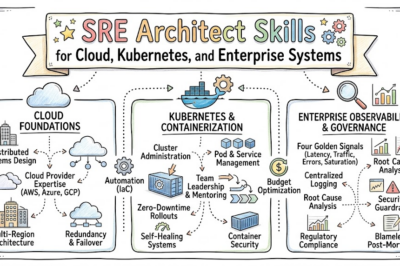
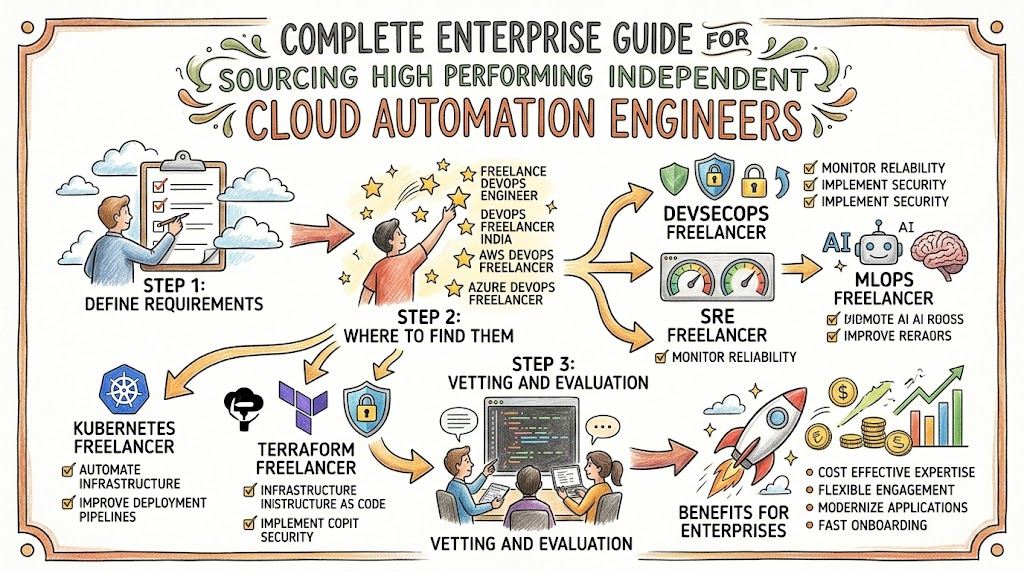
Hosting enterprise applications on Amazon Web Services requires deep cloud expertise to avoid unexpected bill spikes and security vulnerabilities. Therefore, contracting an AWS DevOps Freelancer ensures your cloud footprint stays performant, secure, and cost-effective. These specialists manage EC2 fleets, deploy EKS clusters, and build serverless application architectures using AWS Lambda. Additionally, they use automated infrastructure scripts to create identical setups across development, staging, and production environments. Expert AWS optimization protects your platforms against outages while maximizing computing efficiency.
Kubernetes Freelancer: Orchestrating Container Ecosystems
Managing microservices across containerized environments creates complex networking and scaling challenges for growing tech teams. Therefore, onboarding a seasoned Kubernetes Freelancer keeps your container clusters healthy, secure, and auto-scaled. These specialists configure ingress traffic routers, set up persistent storage volumes, and tune pod scheduling policies. Moreover, they solve complex container networking errors and establish proactive monitoring dashboards. Consequently, your web applications maintain high availability during sudden traffic spikes.
Terraform Freelancer: Provisioning Infrastructure Through Code
Configuring cloud resources manually introduces dangerous configuration drift, human error, and inconsistent testing setups. However, partnering with a skilled Terraform Freelancer allows your team to define complete multi-cloud environments through clean code modules. Declarative automation enables developers to spin up pristine, isolated environments within minutes. Furthermore, storing infrastructure definitions in version control provides full auditability and simple rollback capabilities during operational incidents. Adopting code-driven automation guarantees uniform environment builds across AWS, Azure, and Google Cloud.
Azure DevOps Freelancer: Enhancing Microsoft Cloud Platforms
Organizations running Microsoft technical stacks require specialized guidance to extract maximum value from their cloud investments. Therefore, hiring an Azure DevOps Freelancer optimizes your Azure Pipelines, Active Directory rules, and cloud operations. These professionals manage Azure Kubernetes Service clusters, establish secure virtual networks, and automate enterprise release gates. Additionally, they integrate legacy enterprise software with modern container deployment workflows seamlessly. Partnering with an Azure specialist modernizes your technical operations while preserving full system stability.
DevSecOps Freelancer: Integrating Security Into Delivery Pipelines
Waiting until software release day to conduct security reviews creates massive launch delays and costly engineering rework. In contrast, collaborating with a DevSecOps Freelancer embeds security controls directly into every continuous delivery phase. These security specialists automate dependency scanning, secrets management, static code analysis, and compliance policy enforcement. Furthermore, they implement strict zero-trust access rules that defend sensitive customer data against cyber threats. Proactive security engineering shields your applications from vulnerabilities long before code enters production.
SRE Freelancer: Boosting System Reliability
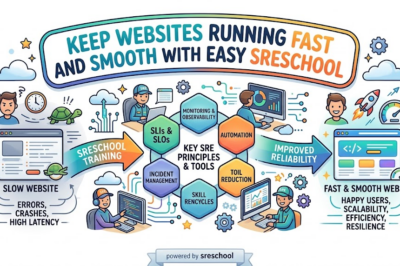
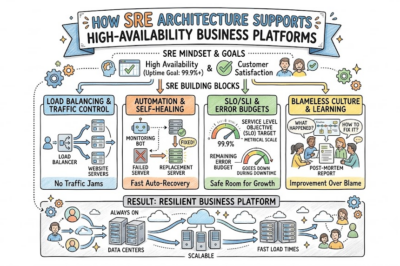
Unplanned system downtime damages business revenue, weakens customer trust, and ruins corporate reputations. Consequently, hiring an SRE Freelancer helps engineering organizations establish strict Service Level Objectives and robust monitoring frameworks. These reliability experts automate incident escalation protocols, conduct root-cause post-mortems, and eliminate repetitive operational tasks using code. Moreover, they optimize load balancing configurations to maintain fast application response times during heavy traffic surges. Prioritizing site reliability engineering guarantees continuous uptime and user satisfaction.
MLOps Freelancer: Operating Machine Learning Production Systems
Deploying artificial intelligence models to production requires unique pipelines that manage live data drift and heavy compute demands. Therefore, progressive tech companies partner with an MLOps Freelancer to automate model retraining, testing, and deployment. These specialized engineers configure GPU compute clusters, manage model registry workflows, and optimize high-throughput inference endpoints. Additionally, they bridge the gap between data science teams and core software infrastructure engineers. Automating machine learning operations enables your business to scale AI capabilities rapidly and reliably.
Skills to Check Before Hiring a DevOps Freelancer
Evaluating candidates systematically guarantees you hire engineers who possess the exact technical capabilities your infrastructure demands.
- Cloud Platform Expertise: Confirm hands-on experience managing production workloads in AWS, Azure, or Google Cloud.
- Container Administration: Validate operational experience with Docker containers and Kubernetes cluster administration.
- Automation Proficiency: Test practical knowledge of Infrastructure as Code tools like Terraform and Ansible.
- CI/CD Engineering: Evaluate past success constructing automated build, test, and software delivery pipelines.
- Observability Setup: Check experience configuring monitoring tools like Prometheus, Grafana, and Datadog.
Questions to Ask During a Technical Interview
Asking targeted technical questions reveals a candidate’s actual problem-solving depth and practical experience.
- How do you isolate remote state files securely when managing multi-region Terraform deployments?
- What precise metrics do you track to identify memory leaks and crash loops within Kubernetes pods?
- How do you construct zero-downtime deployment strategies for active microservice applications?
- Which specific techniques do you use to detect and eliminate idle cloud resource expenses?
- How do you isolate secret keys and security certificates within automated build pipelines?
Common Mistakes When Hiring Freelance DevOps Specialists
Avoiding frequent recruitment missteps saves your organization time, financial resources, and technical friction.
- Ignoring Communication Skills: Overlooking clear communication, collaboration, and documentation skills during candidate evaluations.
- Vague Scope Definitions: Launching engagements without well-documented project milestones, timelines, and technical deliverables.
- Skipping Practical Vetting: Relying purely on resume claims without conducting hands-on technical assessments.
- Over-Granting System Access: Failing to apply strict least-privilege security permissions when onboarding external contractors.
- Neglecting Knowledge Transfer: Allowing freelancers to finish projects without providing thorough system documentation and staff training.
How to Structure a DevOps Freelance Project
Organizing engineering engagements into structured, transparent project phases drives predictable execution and strong results.
| Project Phase | Primary Focus & Deliverables |
|---|---|
| Audit & Discovery | Review current cloud setup, analyze deployment pain points, and define technical roadmaps. |
| Blueprint & Design | Map target architecture, select automation tools, and set clear project milestones. |
| Pipeline Build | Construct automated CI/CD pipelines, write Terraform modules, and configure system alerts. |
| Validation & Testing | Conduct load testing, execute failure recovery tests, and audit security controls. |
| Handover & Training | Deliver complete system documentation, train internal staff, and establish ongoing support rules. |
How DevOpsFreelancer Can Help
Sourcing verified cloud engineers should never slow down your product development roadmap. Our platform connects your business with pre-vetted cloud specialists instantly. Whether your team requires urgent CI/CD repairs, cloud migrations, or continuous reliability engineering, our network delivers tailored technical expertise. Furthermore, our flexible engagement models let you scale contract support up or down based on your budget and timeline. Partnering with our platform lets your core team focus on building great features while external specialists optimize your cloud infrastructure.
Frequently Asked Questions About DevOpsFreelancer
- How fast can our team onboard an independent cloud expert through your platform?Our platform matches your project requirements with qualified engineers, allowing you to schedule interviews within twenty-four to forty-eight hours.
- What screening procedures do candidates undergo before joining the network?Every technical specialist completes multi-stage coding tests, architecture design interviews, and prior project verifications.
- Can we engage independent engineers for short-term technical audits?Yes, organizations routinely hire our specialists for focused cloud audits, emergency pipeline fixes, or multi-month cloud migration projects.
- Which cloud ecosystems do your independent engineers specialize in?Specialists across our network maintain advanced industry certifications and expertise in AWS, Microsoft Azure, Google Cloud, and hybrid setups.
- How do clients retain security and access control over their cloud environments?Clients grant temporary, fully audited credentials using fine-grained identity management tools throughout the contract duration.
- Do external contractors provide system documentation and internal staff training?Every engagement includes comprehensive system documentation and step-by-step training sessions for your permanent engineering team.
- What engagement pricing options does the platform offer?Companies select from adaptable pricing structures including hourly consulting, fixed-scope milestones, or weekly retainer terms.
- Can independent specialists help our company reduce monthly cloud bills?Cloud specialists conduct deep resource audits, terminate idle instances, and implement auto-scaling policies to slash monthly infrastructure costs.
- Do freelancers offer ongoing system monitoring and incident response options?Many site reliability engineers on our platform provide continuous system monitoring and on-call coverage to maintain complete application uptime.
- How do we launch our first project request on the platform?Submit your specific project scope and technical requirements through our portal to review top candidate matches right away.
Final Thoughts
Building resilient cloud architectures and automated delivery pipelines forms the foundation of modern digital growth. Partnering with seasoned independent specialists grants immediate access to top-tier engineering talent without typical hiring friction. Whether your team requires faster release workflows, robust container management, or proactive security integration, specialized external talent produces rapid results. Taking decisive action to upgrade your cloud infrastructure today positions your enterprise for lasting software success.