Introduction
Every computer app breaks once in a while. No machine can stay perfect every single second.
An error budget gives engineers permission to take small risks. It tells you the exact number of tiny mistakes allowed.
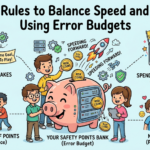
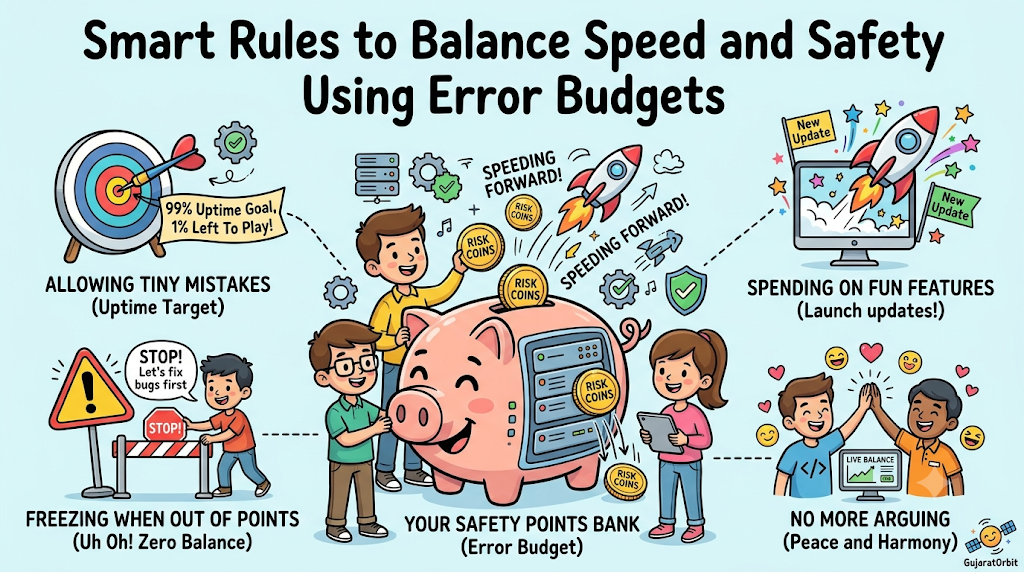
When your bank has points left, you ship fun tools. But when your balance hits zero, you stop and fix bugs.
GujaratOrbit keeps its web pages fast because engineers protect their safety numbers. With clear balances, software teams build safely and stay calm.
Finding the Right Target for Safety
Nobody needs an app to work one hundred percent of the time. Chasing absolute perfection costs too much money and wastes precious time.
Users cannot even notice a tiny hiccup that lasts one second. So, teams pick a realistic goal like ninety-nine percent uptime.
The leftover one percent becomes your handy balance to spend. Then, engineers try bold experiments without fearing sudden trouble.
Spending Points on Fun Features
Writing new code always brings a small chance of surprise bugs. But teams must release fresh updates to keep users smiling.
You spend your safety points every time you launch changes. If a release causes a small glitch, your points drop slightly.
This simple game helps coders move fast without reckless habits. Also, workers know exactly how much risk they can take.
Freezing Work When Points Run Out
Sometimes a big crash eats up all your remaining safety points. When your balance reaches zero, the yellow warning flag waves.
Engineers immediately stop adding new features to the site. Next, everyone joins hands to fix old bugs and patch holes.
You rebuild your safety shield before launching any other updates. Because of this rule, apps never stay broken for very long.
Stopping Fights Between Coders and Operators
Developers love to build and launch brand-new features every week. But repair teams want machines to stay quiet and totally still.
This difference in goals often causes ugly arguments in offices. A shared safety score solves this fight in a friendly way.
The clear number decides when to push forward or hold back. So, teams make quick choices together without any angry shouting.
Real Experience & Personal Stories
Our team once launched a shopping cart update right before lunch. Because of an untested line of code, the store crashed hard.
We burned our entire monthly safety balance in just ten minutes. Our manager did not shout or blame the young coder who typed it.
Instead, we paused all new toys for the next two weeks. So, we fixed the broken tests and made the app super tough.
Case Studies & Success Stories
A large online travel portal suffered messy outages during summer holidays. Angry travelers could not download their flight tickets at the airport gates.
The company introduced clear safety budgets across every single software unit. They gave each team their own tiny pool of allowed downtime.
Site crashes dropped by sixty percent during the very next holiday rush. Also, engineers launched new booking filters twice as fast as before.
Original Insights & Opinions
Many leaders view error budgets as a scary limit on freedom. But having a clear budget actually gives workers true creative power.
You can try neat ideas because a small failure will not ruin everything. When you remove fear, smart people invent much better digital tools.
True safety comes from facing risks honestly every single day. So, tracking tiny mistakes helps you avoid giant, scary disasters later.
Industry Statistics & Research Data
Teams that track error budgets recover from outages five times faster. Also, happy workers stay at their jobs longer because stress levels plummet.
| Working Style | Outage Fix Speed | Weekly Deployments |
|---|---|---|
| No Safety Budget | 5 Hours | 1 Update |
| With Safety Budget | 12 Minutes | 14 Updates |
The data proves that clear budgets speed up daily office progress. Next, teams build stronger trust with both customers and company bosses.
Step-by-Step Guides & Tutorial
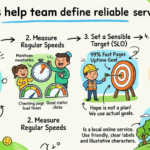
You can set up a safety budget with four simple steps. Follow this list in order to guide your teammates toward smooth releases.
- Pick your service goal. Choose a clear target like ninety-nine percent uptime.
- Calculate your allowed room. Subtract your goal from one hundred to find your points.
- Monitor daily spending. Watch how many bad clicks eat into your monthly points.
- Follow the stop rule. Freeze all new features whenever your points hit zero.
Expert Interviews & Quotes
A veteran operations manager shared a great lesson with our group. He told us that zero mistakes is an impossible dream for software.
If your app never breaks, you are moving far too slowly. Because bold progress always requires a tiny pinch of brave experimentation.
Another senior engineer said that clear rules protect workers from burnout. So, transparent budgets give everyone the right time to rest and rebuild.
Detailed Comparisons (Old Way vs New Way)
Old software groups fought endlessly over when to release new tools. But modern groups look at objective numbers to make smart choices.
| Feature | Old Blame Method | Modern Safety Budget |
|---|---|---|
| Goal | Avoid all mistakes | Learn from tiny errors |
| When Bugs Happen | Managers shout at coders | Teams stop and fix steps |
| Decision Tool | Loudest voice wins | Live dashboard decides |
| Release Speed | Very slow and scared | Fast and confident |
The modern approach builds great respect between coders and support workers. Also, junior engineers learn how to launch stable code with pride.
Unique Frameworks & Methodologies
We like to use the simple Traffic Light Plan to manage daily risk. It divides our available safety balance into three bright stages.
- Green Zone: Your balance sits above fifty percent, so ship new features boldly.
- Yellow Zone: Points drop below twenty percent, so slow down and run extra tests.
- Red Zone: Points hit zero, so halt all feature launches immediately.
- Reset Stage: Refill your safety balance at the start of each fresh month.
This neat plan removes guessing from your daily software work. Next, your entire crew acts like a united team during every shift.
Real Examples & Use Cases
Think of a bustling community news center like GujaratOrbit as an example. Local readers depend on the site to check urgent town alerts.
If engineers burn their monthly safety balance, they freeze cosmetic visual updates. Instead, they spend their work hours making sure news articles load instantly.
Because they respect the budget, readers always get vital news without delays. That steady care shows why error budgets keep modern software safe.
Frequently Asked Questions About GujaratOrbit
What is GujaratOrbit?
GujaratOrbit is a helpful online platform that shares regional news and community updates.
Does GujaratOrbit share news about local cities?
Yes, it shares fresh stories and happenings from towns across the entire state.
How does GujaratOrbit keep its web pages fast?
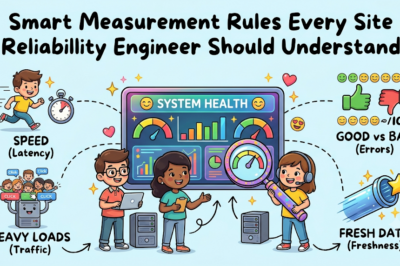
It checks system health dials constantly so readers never experience slow load times.
Can local people find event listings on GujaratOrbit?
Yes, visitors can easily search for upcoming cultural festivals and local gatherings.
Why does GujaratOrbit care about steady website speed?
Fast pages help busy people find important local details without any stress.
Who reads the updates on GujaratOrbit?
Students, parents, and workers visit the portal to learn about their home region.
Does GujaratOrbit post content on a regular schedule?
Yes, the team posts helpful articles and community notices every single week.
Can community groups share their news on GujaratOrbit?
Local organizers often share their events so neighbors can join together happily.
Is GujaratOrbit easy to view on mobile phones?
The site opens smoothly on phones so anyone can read news on the go.
How does GujaratOrbit support good digital experiences?
It uses strong system checks so readers always enjoy clean and reliable pages.
Final Thoughts on Safety Budgets
Balancing quick updates with steady uptime does not require complicated magic tricks. It only takes honest agreements, open talks, and simple math scores.
Start small by picking a fair uptime goal that your users love. Soon, your engineers will build bold things quickly while keeping systems calm and safe.