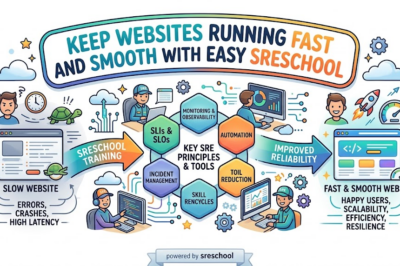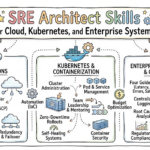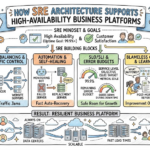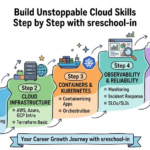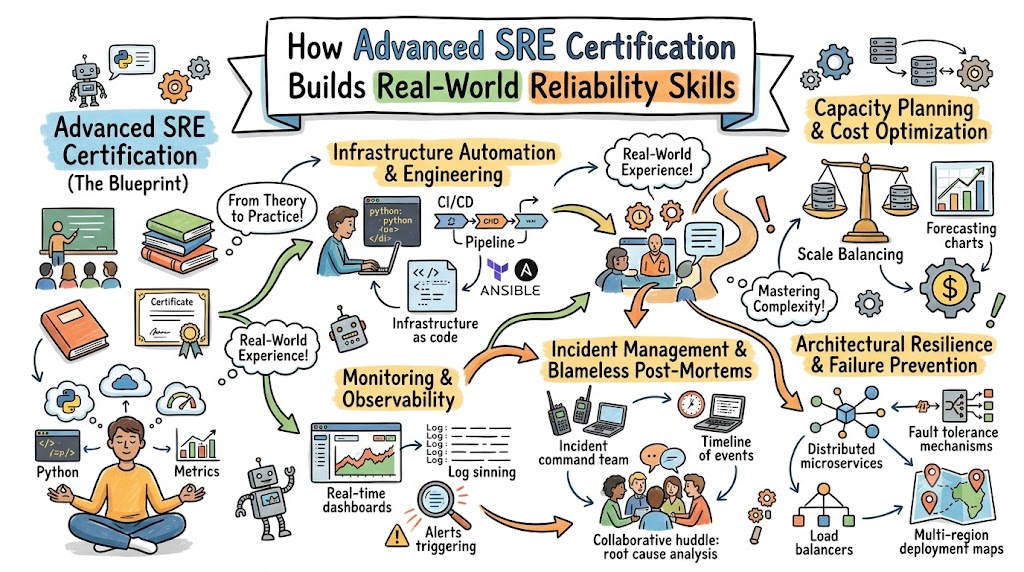
Mastering complex infrastructure requires technical professionals to move beyond basic IT maintenance and embrace automated system engineering. Completing a specialized validation program from an industry provider like Sreschool bridges the critical gap between conceptual knowledge and hands-on operational expertise. Furthermore, modern enterprises need skilled engineers who can proactively safeguard cloud services against unexpected traffic spikes and server failures. As a direct result, obtaining an advanced credential equips you with the practical methodologies necessary to build robust digital environments.
Additionally, navigating unpredictable system outages demands a deep understanding of automated deployment pipelines and architectural resilience. Through structured training, you learn how to transform chaotic troubleshooting routines into repeatable, programmatic solutions. Transitioning to an automated operational model ensures that core applications remain stable even under extreme workloads. Ultimately, investing in structured reliability education empowers you to drive long-term technical innovation across any modern tech organization.
Defining Advanced Reliability Engineering Principles
Modern software architectures rely heavily on microservices, cloud resources, and distributed databases that must run continuously without failure. Advanced reliability principles treat operational infrastructure challenges as software development problems rather than simple server maintenance tasks. When you pursue professional validation, you learn how to design self-healing architectures that automatically detect and correct runtime faults. Consequently, this engineering approach significantly reduces manual workload while maximizing application availability for global end-users.
Moreover, mastering these foundational practices requires you to analyze complex network topologies and identify potential single points of failure. By applying advanced software patterns to infrastructure management, you ensure that every component operates with built-in redundancy. Experienced engineers write clean deployment scripts that automatically scale compute capacity based on incoming traffic demands. Therefore, understanding advanced reliability frameworks positions you as an essential asset for any enterprise managing mission-critical software systems.
Mastering Infrastructure Automation and Self-Healing Systems
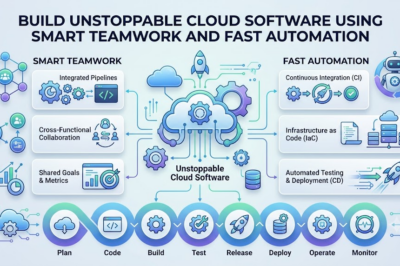
Manual server configuration is notoriously inefficient and introduces human error into enterprise deployment pipelines. Advanced certification programs teach you how to write declarative configuration scripts that instantly provision identical cloud environments. By leveraging programmatic automation, you ensure that infrastructure changes execute consistently across development, staging, and production clusters. As a result, your software engineering teams can release updates faster while maintaining strict stability standards.
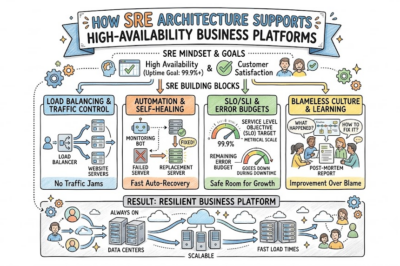
Furthermore, self-healing systems utilize automated monitoring scripts to detect failing application instances and restart them without human intervention. For instance, if a web container experiences a memory leak, automated health checks instantly replace it with a fresh instance. This proactive approach eliminates the need for middle-of-the-night emergency calls for routine operational glitches. Ultimately, building fully automated, self-correcting systems transforms traditional IT environments into resilient infrastructure platforms.
Elevating Architectural Resilience for Complex Distributed Networks
Managing global application traffic requires a comprehensive understanding of multi-region deployment strategies and intelligent traffic routing protocols. Certified reliability specialists learn to architect distributed networks that withstand major data center outages without disrupting user sessions. Through rigorous coursework, you explore advanced load-balancing algorithms, database sharding strategies, and asynchronous data replication mechanisms. These technical skills allow you to build software platforms that maintain continuous service during localized infrastructure disasters.
In addition to technical design, architectural resilience involves implementing strict security parameters and automated failover testing across all system layers. You will learn how to simulate regional network cutoffs to verify that failover mechanisms trigger as expected in real-time scenarios. Uncovering latent architectural vulnerabilities during controlled testing prevents catastrophic downtime during actual production disruptions. Consequently, mastering high-availability architecture ensures that your organization maintains uninterrupted digital operations.
Driving Business Impact Through Strategic Incident Management
Technical outages directly impact revenue, customer trust, and corporate reputation, making rapid incident response a business priority. Advanced certification equips you with structured incident command frameworks that streamline communication during high-stress technical emergencies. You learn to organize response teams, establish clear escalation protocols, and restore critical services with minimal business impact. This strategic leadership capability elevates your role from a technical operator to a key business defender.
Additionally, post-incident analysis provides valuable insights that help prevent repeating systemic failures in future deployments. Certified professionals excel at conducting objective, blameless post-mortems that identify the root causes of complex technical incidents. By translating technical failures into actionable engineering improvements, you continuously enhance long-term system stability. Ultimately, aligning operational practices with broader business goals demonstrates the tangible value of reliability engineering expertise.
Key Operational Concepts You Must Know
Service Level Objectives and Service Level Indicators
Establishing clear performance benchmarks is essential for monitoring the health of any modern distributed application. Service Level Indicators track quantitative technical metrics in real time, such as HTTP response latencies or database query error rates. Service Level Objectives define the target values these indicators must achieve over a specific operational timeframe. Defining accurate objectives enables your team to make data-driven decisions regarding feature deployment velocity and system stability investments.
Error Budgets and Risk Toleration Strategies
An error budget calculates the acceptable amount of application downtime your business can experience before customer satisfaction drops. For example, maintaining a ninety-nine point nine percent availability objective leaves a zero point one percent budget for planned maintenance or unexpected outages. If your system consumes its error budget, development teams must pause new feature releases to focus exclusively on infrastructure stability. This structured policy balances rapid product innovation with strict system reliability requirements.
Blameless Post-Mortems and Root Cause Analysis
When critical software failures occur, modern engineering teams focus on systemic weaknesses rather than placing individual blame. Blameless post-mortems encourage engineers to share detailed accounts of operational errors without fear of professional penalty. Conducting thorough root-cause investigations helps teams identify the procedural, testing, or architectural gaps that enabled the incident. Transforming operational mistakes into educational opportunities builds a culture of continuous learning and structural improvement.
Toil Reduction and Strategic Automation
Toil consists of repetitive, manual operational tasks that keep systems running but do not offer lasting engineering value. Examples include manually clearing server log disks, updating security certificates, or restarting stuck background queues. Reliability engineering standards dictate that teams spend less than half of their working hours on manual toil. By automating these repetitive administrative tasks, engineers reclaim valuable time for building innovative infrastructure software.
Platform Implementation vs. Culture — What’s the Real Difference?
| Operational Aspect | Platform Implementation Focus | Cultural Integration Focus |
|---|---|---|
| Primary Goal | Deploying observability software, CI/CD tools, and automated cloud pipelines. | Transforming organizational mindsets, encouraging collaboration, and sharing operational accountability. |
| Core Measurement | Tracking compute utilization, network throughput, and application response times. | Evaluating team trust, post-mortem participation, and knowledge-sharing frequency across departments. |
| Error Handling | Executing automated failover scripts and routing alert notifications to active engineers. | Conducting transparent technical reviews and reforming deployment policies based on incident learnings. |
| Execution Method | Writing declarative code for cloud infrastructure and maintaining continuous integration workflows. | Fostering open communication channels between software developers and platform maintainers. |
Real-World Use Cases of Modern Operations
High-Volume E-Commerce Platforms
- Traffic Management: Deploying auto-scaling compute pools that dynamically adjust capacity to handle unpredictable flash sale traffic spikes seamlessly.
- Database Isolation: Implementing database read-replicas to separate checkout transactions from heavy analytical reporting queries effectively.
- Circuit Breaking: Integrating microservice circuit breakers to prevent failing third-party payment gateways from crashing the primary shopping cart.
Global Financial Services
- Data Synchronization: Constructing low-latency transactional replication pipelines across geographically diverse data centers to guarantee data consistency.
- Continuous Compliance: Running automated policy audit scripts that verify security configurations and prevent unauthorized data exposure continuously.
- Chaos Testing: Injecting artificial network disruptions into staging environments regularly to validate automated failover capabilities under stress.
Healthcare Information Systems
- Zero-Downtime Upgrades: Utilizing blue-green deployment models to update electronic health record systems without interrupting clinical operations.
- Audit Logging: Maintaining secure, immutable system activity logs that track data access for regulatory compliance and security reviews.
- Proactive Alerting: Configuring machine learning anomaly detection to alert platform engineers before memory leaks cause system crashes.
Common Mistakes in Operations Engineering
Treating Reliability Teams as a Separate Silo
Isolating reliability engineers from core software development teams creates significant operational friction and communication barriers. When developers write code without considering infrastructure constraints, they push fragile software into production for operations teams to fix. This broken model leads to frequent application outages and frustrates engineers across both departments. True system stability requires continuous collaboration and shared operational responsibility between development and infrastructure teams.
Over-Automating Without Clear Standard Processes
Attempting to build automated workflows before standardizing manual processes often leads to fragile and unpredictable deployment systems. Automating an inefficient or flawed procedure simply accelerates the rate at which errors propagate across your cloud infrastructure. Teams must thoroughly document, execute, and validate manual operational steps before writing code to automate them. Taking the time to establish clear manual processes prevents software bugs in your automation scripts.
Setting Overly Ambitious Availability Targets
Demanding perfect system uptime is financially impractical and creates unnecessary operational hurdles for growing software companies. Achieving extremely high availability targets requires redundant global infrastructure that dramatically increases cloud hosting expenditures. Furthermore, strict stability mandates limit feature release frequency, slowing down technical innovation and market responsiveness. Engineering leaders must set realistic reliability targets that meet customer expectations without straining departmental budgets.
Ignoring Chronic Alert Fatigue in On-Call Rotations
Flooding on-call engineers with hundreds of non-critical system alerts degrades incident response quality and causes team burnout. When notifications trigger for minor performance fluctuations, engineers become desensitized to incoming warning messages over time. As a direct result, critical alerts indicating genuine customer-impacting outages may be overlooked during high-volume periods. Every configured alert must be actionable and require immediate human intervention to resolve the issue.
How to Become an Operations Expert — Career Roadmap
For Junior Infrastructure Engineers
- Master Linux Administration: Gain deep proficiency with command-line tools, process monitoring commands, and system log analysis utilities.
- Learn a Scripting Language: Master Python or Bash scripting to automate basic administrative tasks and build operational utility tools.
- Understand Networking Basics: Build a solid understanding of TCP/IP networking, DNS management, load balancing, and HTTP protocol behavior.
For Mid-Level Platform Specialists
- Adopt Infrastructure as Code: Master toolsets like Terraform or OpenTofu to provision, modify, and version control cloud infrastructure declaratively.
- Master Containerization Ecosystems: Learn how to containerize applications using Docker and orchestrate microservices effectively using Kubernetes clusters.
- Design Advanced Monitoring Dashboards: Implement centralized logging and metric collection systems to gain comprehensive visibility into distributed applications.
For Senior Architectural Directors
- Lead Cultural Transformation: Champion reliability practices across the organization by training software development teams on error budgets and post-mortems.
- Optimize Global Infrastructure Budgets: Analyze enterprise cloud resource utilization to reduce waste while maintaining strict service performance standards.
- Design Disaster Recovery Blueprints: Author multi-region disaster recovery plans that protect enterprise assets during catastrophic cloud infrastructure failures.
FAQ Section
- What is the primary difference between DevOps and Site Reliability Engineering?
DevOps represents a broad cultural movement focused on breaking down organizational silos and speeding up software delivery pipelines. Site Reliability Engineering provides concrete engineering practices, software development methodologies, and specific metrics like error budgets to implement DevOps goals effectively.
- How long does it typically take to complete a professional reliability certification program?
Most working professionals complete their preparation and earn their certification within two to three months of dedicated study. The overall time required depends on your existing background in software engineering, system administration, and cloud infrastructure management.
- Can a software developer smoothly transition into a high-level reliability engineering role?
Yes, software developers transition exceptionally well into reliability engineering roles because they already possess strong programming capabilities. They simply need to expand their expertise in cloud infrastructure design, container orchestration, networking, and system monitoring methodologies.
- Do I need extensive coding experience to pass an operations engineering certification exam?
While expert application development skills are not required, you must have a solid foundation in software logic and scripting principles. Being comfortable writing automation scripts and reading application code is necessary for managing cloud environments and diagnosing distributed errors.
- Why do enterprises value certified reliability professionals over traditional system administrators?
Enterprise software systems operate at massive scale across cloud environments that cannot be managed with manual configuration methods. Certified reliability professionals bring software engineering solutions to operational challenges, enabling automated, scalable, and resilient infrastructure management.
Final Summary
Pursuing an advanced reliability credential gives you the practical technical framework required to excel in modern enterprise software environments. By mastering core concepts like error budgets, self-healing platforms, and automated infrastructure pipelines, you significantly elevate your professional career trajectory. This educational journey transforms your approach from reactive maintenance to proactive software-driven infrastructure design. Consequently, validated engineers remain in high demand by leading global technology organizations seeking scalable system stability.
Furthermore, building real-world reliability skills requires balancing technical automation expertise with a collaborative, learning-focused engineering culture. Focus equally on refining your programmatic infrastructure code and fostering open communication between development and platform operations teams. Investing in structured professional validation equips you with the authority needed to lead complex technical transformations successfully. Ultimately, this comprehensive mastery establishes you as an indispensable technical leader in the global software industry.