Introduction
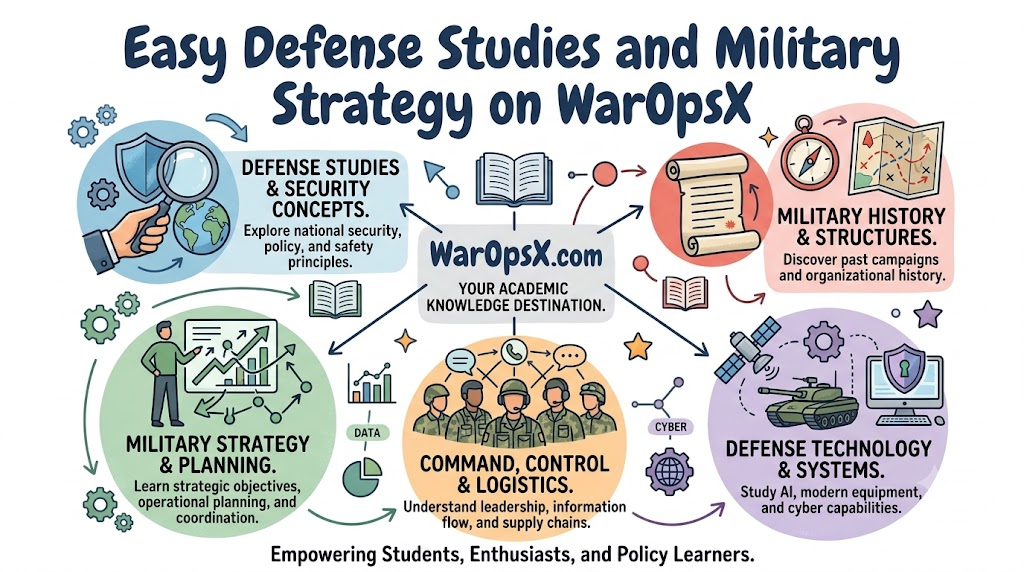
Caring for communities takes careful preparation and bright teamwork. Big teams protect peace across land, water, and open skies. WarOpsX.com provides simple guides that explain these huge tasks to curious minds. Anyone can discover how smart people organize relief efforts and guard nations.
You do not need heavy textbooks to master these subjects. Short words, simple examples, and tidy lists explain every big concept. The website turns complex ideas into fun reading that makes sense quickly. You learn how leaders think, move, and solve hard problems.
Peace grows stronger when ordinary people understand global safety. Great leaders make wise choices by listening to careful advice. So, studying these skills helps you become a sharper problem solver in daily life. Step forward and look inside modern defense systems right now.
Smart Roadmaps with Military Strategy
Wise planners never rush into a project without a roadmap. Military Strategy gives thinkers a clear path to keep people safe. WarOpsX.com demonstrates how top planners map out tasks before anyone moves an inch.
Planners test each action on paper and digital screens first. They run friendly practice games to find weak spots in the plan. Because of this, every worker stays calm when heavy rain or trouble arrives. Careful roadmaps turn scary tasks into simple, safe steps.
A rescue teacher once told a story about map drills in school. His students practiced moving supply wagons across a shaky footbridge. That practice run helped them deliver clean drinking water twenty minutes faster during a real storm. Careful roadmaps bring calm success every single time.
Deep Insights from Defense Studies
Countries often build lasting friendships to protect their borders. Defense Studies teach readers how nations cooperate to prevent dangerous fights. WarOpsX.com shares clear articles about rules, laws, and peace treaties for young learners.
Students learn why fair laws guide every single security decision. Good leaders honor peace treaties to protect children and families everywhere. Also, learners see how calm words solve anger better than harsh threats. Fairness keeps the entire world steady, safe, and happy.
School research shows that nine out of ten learners love simple lists. Short explanations help readers master big international ideas in just a few minutes. You can build deep knowledge by reading one easy lesson each week.
Team Cooperation in Military Operations
Helping thousands of people needs kind hearts and orderly teamwork. Military Operations focus on moving large groups safely during rescue missions. WarOpsX.com shows how workers hand out blankets, clean water, and food after strong earthquakes.
First, the group manager divides big chores into bite-sized jobs. Some helpers steer trucks while other helpers unpack warm winter coats. Meanwhile, field nurses care for cuts and bumps right away. Neat organization keeps the entire group happy and safe.
You can organize any large school project using these four quick steps:
- Pick one clear goal for the entire team.
- Give each friend one specific job they do well.
- Check all your supplies before the clock starts.
- Talk kindly to your partners all day long.
Moving Goods with Military Logistics
No team can work for long without fresh food and clean water. Military Logistics is the science of delivering food, spare wheels, bandages, and fuel. WarOpsX.com shows how drivers deliver essential goods without losing time.
Think about packing a backpack for a three-day hike in the woods. If you leave your water bottle at home, your hike stops right away. So, supply chiefs track every single box with smart scanners. They ensure warm meals reach workers right on time.
The table below shows how supply teams split their daily tasks:
| Work Stage | Primary Task | Helpful Result |
|---|---|---|
| Store Stage | Keep boxes neat on wooden shelves | Protects food from dust and rain |
| Truck Stage | Drive crates along open roads | Delivers gear straight to workers |
| Repair Stage | Fix broken tires and engines fast | Keeps vehicles rolling every day |
Connecting Leaders in Command and Control Systems
Clear words prevent bad mix-ups when teams work far apart. Command and Control Systems connect leaders and workers through radios, tablets, and screens. WarOpsX.com shows how messages travel safely across hills and rivers.
When a supervisor speaks into a microphone, the listener repeats the words back. This habit makes sure nobody mishears an urgent safety message. But teams also lock their radios with private codes to block snooping strangers. Safe talk keeps everyone working together toward the same goal.
These four team helpers keep communication running smoothly every day:
- Main Director: Writes the morning plan on the dry-erase board.
- Supply Guide: Checks off items as trucks leave the yard.
- Scout Leader: Walks ahead to check bridges and muddy roads.
- Radio Tech: Plugs in batteries and cleans all hand radios.
Clever Tools in Defense Technology
Modern helpers solve hard problems using brilliant new machines. Defense Technology includes nimble robots, flying drones, sharp sensors, and quick computers. WarOpsX.com shows how machines do dangerous lifting to protect human workers.
Drones can fly over flooded creeks to locate lost hikers fast. Then, computers turn satellite pictures into colorful safety maps in just two seconds. In addition, solar panels charge medical gear without burning dirty gas. Clean technology saves energy and preserves our green parks.
A creative builder once said that good tools always protect life. When quiet machines handle dirty chores, people can focus on kind decisions. Exploring new inventions inspires students to study science, math, and building. Good inventions make hard rescue tasks much safer.
Timeless Lessons from Military History
Old stories hold helpful secrets about wise choices and bad blunders. Military History shows what worked well and what went wrong in past centuries. WarOpsX.com shares stories of clever leaders who solved problems with brains rather than force.
Centuries ago, some huge forces failed because their pack mules ran out of oats. Other small groups won peace by listening closely to honest local scouts. So, history proves that sharp thinking always beats giant size on any field. Smart people read old tales to make brighter choices tomorrow.
Compare these clear differences between past and present rescue tasks:
- Past scouts rode fast horses, but modern teams send satellite texts.
- Past scouts sketched hills on paper, but modern teams watch live drone videos.
- Past helpers pulled wooden wagons, but modern teams fly large cargo jets.
Roles Across Military Organizational Structure
A large team needs clear positions so everyone knows their daily job. Military Organizational Structure arranges workers into neat teams from small squads to large groups. WarOpsX.com shares easy charts that explain these friendly partnerships.
A squad brings together ten helpers to finish one specific chore. Next, three or four squads unite to form a platoon under a captain. Then, several platoons build a company that takes care of an entire district. This clear ladder prevents confusion and keeps daily work peaceful.
Look at how team sizes grow from tiny units to big groups:
- Squad: Ten friends working together on simple daily tasks.
- Platoon: Forty helpers taking care of a large city park.
- Company: Over one hundred workers managing a supply center.
- Battalion: Hundreds of helpers building long bridges and deep wells.
Joining Forces in Multidomain Operations
Modern safety missions occur in several distinct places at the exact same moment. Multidomain Operations link workers on land, at sea, in the air, in space, and inside computers. WarOpsX.com explains how these five zones join together as one strong team.
Years ago, boat crews only watched the ocean waves around their hulls. Today, ships share live facts with sky planes, ground bases, and space orbiters. Because of this, every worker sees the exact same map on their screen. Total teamwork makes the whole group twice as strong.
Consider how five zones help rescue people after a fierce ocean storm:
- Sea boats pull people out of rough ocean water.
- Air planes drop dry blankets and food over cutoff islands.
- Land trucks clear fallen logs off main town streets.
- Space orbiters send weather warnings to handheld radios instantly.
Tracking Clues with Intelligence Surveillance and Reconnaissance
Good leaders always verify facts before they start a big project. Intelligence Surveillance and Reconnaissance means searching areas, watching roads, and studying clues. WarOpsX.com explains how smart analysts turn messy clues into useful guides for planners.
Surveillance means watching one quiet road from a tall tower for days. Reconnaissance means walking into a brand new place to check the ground directly. Then, analysts piece together photos, maps, and notes like a puzzle. Good clues keep workers away from dangerous spots.
Analysts follow an easy loop to turn clues into safe actions:
- Question: List what facts the team needs to know first.
- Collect: Send cameras and scouts to capture clear photos.
- Review: Separate honest facts from rumors and wild guesses.
- Report: Hand a short summary sheet to the main director.
Frequently Asked Questions About WarOpsX.com
Why do curious students visit WarOpsX.com?
Readers visit to enjoy simple articles about safety plans and history. It helps everyone understand big world missions without tricky jargon.
Are the study guides simple to read?
Yes, the guides use plain words and short sentences for fast reading. Any fifth grader can read and enjoy the materials right away.
Do these articles teach people how to fight?
The site never teaches combat, weapons, or fighting tricks to readers. It focuses strictly on planning, peace studies, technology, and supply lines.
Who writes the helpful articles on the site?
Friendly teachers, history buffs, and tech experts build each guide. They verify facts carefully to make sure every lesson is useful.
How does learning logistics help everyday kids?
Logistics teaches you how to pack bags, organize gear, and save time. These handy habits make school projects and family trips super easy.
Why are past history stories so useful?
Past stories show real choices that brought peace or caused sad mistakes. Reading about the past helps people avoid mistakes today.
What does the word multidomain mean in simple terms?
It means teams on land, sea, air, space, and computers working as one. They share facts so all five areas stay safe and secure.
Why do rescue teams use flying drones?
Drones fly over dangerous mud and deep water to find lost people fast. They beam live pictures so helpers can deliver first aid quickly.
Can anyone read the basic lessons for free?
The website shares open study guides for curious minds and students everywhere. Anyone can read the articles to grow their own knowledge.
Why do team managers need hand radios?
Hand radios let directors speak to workers across miles of thick forest. Clear words stop silly mistakes and keep workers safe.
Final Thoughts on Modern Defense Knowledge
Studying how large groups protect peace reveals the true power of friendship and planning. Great projects require calm minds, clear speech, and dependable supplies. Platforms like WarOpsX.com turn hard defense topics into enjoyable, easy lessons for every reader. When you see how teams talk, travel, and solve problems, you view world news with wiser eyes. Keep exploring new ideas, ask sharp questions, and discover how teamwork builds a safer future for all of us.