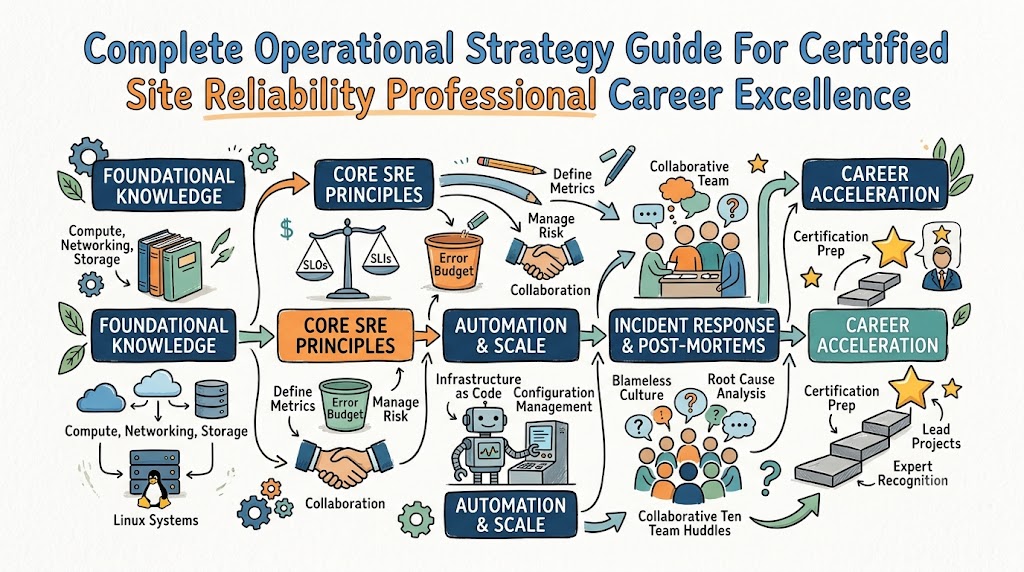
Organizations across the globe constantly search for skilled tech professionals capable of keeping complex digital platforms operational and resilient. Obtaining a specialized credential like the Certified Site Reliability Professional certification completely transforms your technical trajectory by validating your ability to maintain large-scale infrastructure. When you prepare for this rigorous industry benchmark through an established training organization like Sreschool, you learn to unify modern software development with traditional operations engineering. This detailed roadmap explores how earning your professional certification helps you build an enduring, highly successful infrastructure career.
Furthermore, enterprise applications now demand continuous availability and immediate automated recovery from technical hardware disruptions. Traditional systems management techniques simply cannot keep pace with the massive scale of contemporary multi-cloud architectures. Consequently, ambitious software engineers must shift from reactive troubleshooting to proactive automation and systematic risk management. By dedicating yourself to structured skill validation, you prove to prospective employers that you possess the hands-on capability to protect mission-critical business systems.
Moreover, pursuing formal certification equips you with a standardized operational vocabulary that improves communication across multi-functional development teams. You will discover how to transform abstract uptime goals into clear, quantitative mathematical targets that guide daily deployment decisions. As a direct result, your personal contribution directly reduces costly application downtime while accelerating feature delivery cycles. Ultimately, this comprehensive guide lays out every essential phase required to master reliability engineering and elevate your market value.
Navigating the Certified Site Reliability Professional Qualification Path
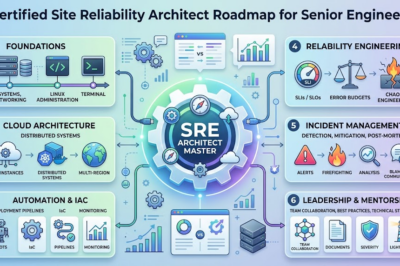
Achieving formal recognition as a certified reliability specialist requires a clear understanding of the exam syllabus, core domains, and practical testing methodologies. The certification process evaluates your proficiency in system architecture, incident response, continuous delivery pipelines, and programmatic infrastructure management. By following a structured study plan, you systematically eliminate technical knowledge gaps while reinforcing practical troubleshooting habits. Therefore, approaching this credential with a deliberate preparation strategy ensures your long-term success on the official examination.
Additionally, candidate assessment extends far beyond simple theoretical knowledge by testing your real-world ability to resolve complex production incidents under realistic operational pressures. You must demonstrate how to configure active monitoring tools, trace distributed code bottlenecks, and execute seamless system recoveries. Preparing for these rigorous hands-on scenarios deepens your actual engineering competence well beyond simple exam preparation. Consequently, you emerge from the qualification process as a confident practitioner capable of handling high-stakes digital emergencies.
Furthermore, structured preparation helps you align your personal engineering practices with established industry standards developed by premier global tech enterprises. You learn how top engineering organizations balance aggressive deployment schedules with strict system availability requirements. This strategic perspective enables you to advocate effectively for operational health during product development cycles. Ultimately, successfully navigating the qualification journey marks a pivotal transition from baseline technical worker to recognized reliability authority.
Mastering Infrastructure Resilience and Automated Operational Systems
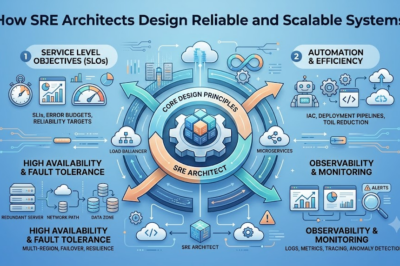
Building resilient systems requires you to design software architectures that automatically withstand unexpected hardware component failures and network disruptions. Through certified study programs, you master the implementation of intelligent load distribution, regional redundancy, and automated service failover routines. These protective mechanisms ensure that individual component outages do not escalate into catastrophic application failures for end users. As a result, you build modern software platforms that deliver continuous operational stability.
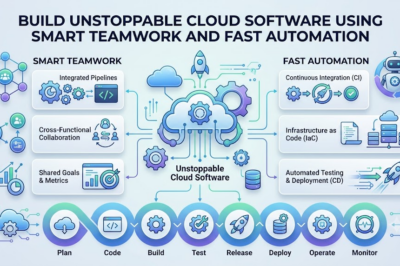
Moreover, modern reliability engineering mandates that you eliminate manual server administration by treating infrastructure configuration strictly as software code. You learn to write declarative configuration scripts that quickly provision identical computing environments across private and public clouds. This programmatic approach eliminates human errors during routine system maintenance and drastically reduces environment drift. Consequently, your development teams can deploy software updates rapidly while maintaining complete confidence in platform stability.
In addition to programmatic infrastructure management, certified professionals excel at building self-healing system pipelines that automatically detect and remediate common operational failures. For example, you can configure intelligent orchestrators to detect memory leaks and automatically restart failing application instances before users notice slowdowns. This proactive automation frees up valuable engineering hours, allowing your team to focus on high-impact product features. Ultimately, mastering automated system resilience elevates your technical reputation within any forward-thinking organization.
Measuring System Metrics and Establishing Operational Control
Effective operational management depends entirely on your ability to gather, analyze, and act upon real-time quantitative metrics from every application layer. Certified reliability specialists implement full-stack observability frameworks using centralized logging, distributed tracing, and aggregated metrics collection. These sophisticated tools provide complete visibility into system health, allowing you to identify hidden performance bottlenecks before they cause downtime. Consequently, you maintain precise control over complex microservice environments.
Additionally, establishing operational control requires setting up meaningful alerts that notify on-call engineers only when genuine human intervention is required. By filtering out transient background noise, you protect your technical team from chronic alert fatigue and cognitive burnout. You learn to connect system alerts directly to actionable runbooks that guide quick incident resolution. As a direct result, your operations team handles production disruptions with calm, methodical efficiency.
Furthermore, tracking historical performance trends allows you to perform accurate capacity planning and optimize cloud resource expenditures for your company. You can predict future infrastructure resource demands based on historical traffic patterns and scale compute resources smoothly. This data-driven strategy prevents embarrassing system crashes during unexpected marketing traffic spikes while eliminating wasteful resource over-provisioning. Therefore, mastering operational measurement transforms you into an essential financial and technical asset.
Strategic Career Growth Through Specialized Technical Credential Validation
Earning an industry-recognized reliability credential serves as a powerful catalyst for rapid career advancement and increased compensation in the technology sector. Enterprise recruiters and hiring managers actively search for candidates who possess verified expertise in automated infrastructure management. Holding a formal certification immediately distinguishes your resume from competing applicants in a crowded job market. Consequently, you secure access to premium job opportunities at top-tier global corporations.
Moreover, specialized certification opens doors to high-level technical leadership roles such as Staff Reliability Engineer, Platform Architect, or Director of Infrastructure Operations. As a certified expert, your team members and senior executives respect your technical recommendations regarding system design and deployment safety. You gain the authority to influence corporate engineering culture and implement modern operational methodologies. Ultimately, this credential validates your capability to manage high-stakes enterprise systems successfully.
In addition to career mobility, certified professionals enjoy significantly higher job security because system reliability remains a top business priority across all industry verticals. Whether in financial services, e-commerce, healthcare, or cloud computing, organizations cannot afford application outages that harm their revenue and brand reputation. By becoming a certified expert, you position yourself at the vital center of modern corporate technology strategies. Therefore, investing in your technical validation delivers lifelong professional dividends.
Key Operational Concepts You Must Know
Service Level Objectives and Service Level Indicators
Establishing clear metrics remains the foundation of all successful reliability engineering initiatives across modern enterprise environments. Service Level Indicators represent the exact, real-time quantitative measurements of your application’s operational health, such as request latency or HTTP error frequencies. Conversely, Service Level Objectives define the precise target thresholds these metrics must satisfy over a specific time window. Mastering these fundamental calculations empowers you to make objective, data-backed decisions regarding software deployment speeds.
Error Budgets and Risk Toleration Strategies
An error budget represents the exact amount of mathematical downtime or performance degradation your application can safely sustain without disappointing users. For instance, maintaining a ninety-nine point nine percent availability goal leaves a zero point one percent error budget for planned maintenance and unexpected bugs. If your engineering team consumes the entire budget, you must immediately pause new feature rollouts to focus exclusively on platform stability. This balanced framework prevents unnecessary conflict between fast software feature releases and system stability goals.
Blameless Post-Mortems and Root Cause Analysis
When severe production outages occur, your team must focus entirely on fixing structural weaknesses rather than blaming individual software developers. Conducting blameless post-mortems creates a psychologically safe work culture where engineers openly share mistake details without fearing professional penalties. By performing systematic root-cause analyses, you uncover the deeper architectural or procedural flaws that allowed the incident to occur. Consequently, your engineering organization transforms stressful operational failures into invaluable opportunities for continuous platform improvement.
Toil Reduction and Strategic Automation
Toil encompasses manual, repetitive, and administrative operational tasks that keep a system running but lack long-term engineering value. Examples include manually clearing server log files, executing routine database backups, or manually approving infrastructure access requests. Site reliability engineering mandates that professionals limit repetitive manual work to less than fifty percent of their total working hours. By building intelligent automation scripts to handle routine tasks, you preserve your creative energy for solving complex software architecture challenges.
Platform Implementation vs. Culture — What’s the Real Difference?
| Operational Aspect | Platform Implementation Focus | Cultural Integration Focus |
|---|---|---|
| Primary Goal | Deploying concrete monitoring software tools, cloud servers, and automated build pipelines. | Fostering open communication, shared operational responsibility, and continuous learning mindsets. |
| Core Measurement | Tracking compute utilization percentages, storage capacity limits, and raw network throughput numbers. | Evaluating team collaboration quality, post-mortem transparency, and rapid learning from failure. |
| Error Handling | Configuring automated server failover triggers and sending instant paging notifications to engineers. | Conducting blameless technical incident reviews and refining baseline operational deployment procedures. |
| Execution Method | Writing declarative infrastructure code scripts and constructing continuous deployment release workflows. | Breaking down departmental communication barriers and aligning engineering work with business objectives. |
Real-World Use Cases of Modern Operations
High-Traffic E-Commerce Retail Systems
- Dynamic Auto-Scaling: Implementing continuous elastic compute scaling that automatically expands server capacity during major promotional sales events.
- Database Read-Replicas: Offloading heavy traffic search queries to distributed database replicas to keep primary checkout pipelines fast and responsive.
- Graceful Degradation: Designing fallback software modes that preserve core purchasing capabilities even if secondary recommendation engines fail completely.
Enterprise Financial Transaction Platforms
- Multi-Region Data Sync: Establishing synchronous multi-region database replication to guarantee zero financial data loss during regional cloud center failures.
- Automated Security Auditing: Deploying continuous compliance monitoring scripts that instantly detect and revoke unauthorized cloud infrastructure permission changes.
- Active Chaos Testing: Intentionally injecting simulated network delays into test environments to verify that automated transaction failover systems operate flawlessly.
Mission-Critical Healthcare Delivery Software
- Zero-Downtime Deployment: Utilizing blue-green server deployment techniques to patch medical software systems without interrupting active patient monitoring streams.
- Immutable Audit Logging: Constructing write-once log archives that securely store every single medical record interaction for strict regulatory compliance.
- Proactive Anomaly Alerts: Utilizing machine learning telemetry monitors to catch software memory leaks before they cause unexpected server crashes.
Common Mistakes in Operations Engineering
Isolating Reliability Engineers in Separate Operational Silos
Creating a completely isolated reliability team that works independently from core application developers represents a major operational mistake. When organizations create this artificial divide, software developers continue pushing untested code without considering production platform stability. The operations team then becomes overwhelmed by fixing preventable bugs manually, which completely destroys engineering velocity. True operational excellence requires daily collaboration and shared accountability between software developers and platform maintainers.
Over-Automating Unstable and Unclear Manual Processes
Attempting to build automated workflows before establishing a stable manual process causes severe engineering complications. If your manual deployment procedure contains logical errors or missing security steps, automating it simply accelerates how fast your infrastructure fails. You must thoroughly document, refine, and stabilize every operational step manually before writing software scripts to automate it. Taking time to validate manual workflows prevents massive, automated outages across your production cloud environments.
Setting Unrealistic One Hundred Percent Availability Targets
Demanding absolute, perfect system uptime represents an unachievable and financially disastrous goal for modern digital enterprises. Designing infrastructure for extreme availability requires complex multi-region redundancy investments that quickly consume your entire operational budget. Furthermore, ultra-strict availability requirements force software teams to slow down feature releases, giving faster competitors a major business advantage. You must define realistic availability targets that satisfy user needs while allowing continuous software innovation.
Neglecting Chronic Pager Fatigue in On-Call Rotations
Subjecting your engineering staff to constant non-critical alerts creates a dangerous workplace environment of systemic fatigue and burnout. When engineers receive dozens of non-actionable notifications every night, they naturally become desensitized to incoming system warnings. Consequently, on-call personnel eventually miss critical high-priority alerts during real, customer-impacting production emergencies. You must continuously audit alerting rules to ensure that every active page requires immediate, high-priority human intervention.
How to Become an Operations Expert — Career Roadmap
For Junior Infrastructure Practitioners
- Master Command-Line Systems: Develop complete comfort with Linux terminal environments, file management systems, shell tools, and user permission models.
- Learn Essential Scripting Languages: Dedicate daily study time to mastering Python or Bash scripting for automating routine administrative server tasks.
- Study Core Computer Networking: Build a deep understanding of TCP/IP networking protocols, DNS resolution mechanics, load balancing, and HTTP status handling.
For Mid-Level Platform Specialists
- Implement Infrastructure as Code: Learn modern declarative tools like Terraform or OpenTofu to provision and manage cloud infrastructure programmatically.
- Master Application Containerization: Gain deep practical fluency with Docker container packaging and Kubernetes cluster management for orchestrating microservices at scale.
- Build Full-Stack Observability: Construct centralized logging and metrics dashboards using tools like Prometheus and Grafana to track complex system behaviors.
For Senior Architectural Leaders
- Drive Organizational Transformation: Lead educational workshops that teach development teams how to utilize error budgets and adopt shared reliability mindsets.
- Optimize Cloud Infrastructure Expenditures: Analyze enterprise cloud resource utilization data to eliminate waste while simultaneously boosting application performance standards.
- Design Comprehensive Disaster Recovery Plans: Construct resilient multi-region backup and failover architectures that protect critical enterprise assets against severe outages.
FAQ Section
- What primary skills does the Certified Site Reliability Professional program validate?
This comprehensive credential validates your practical ability to design, automate, and manage scalable cloud systems using modern software engineering principles. You demonstrate deep competence in full-stack observability, error budget management, automated infrastructure provisioning, and blameless incident response practices.
- How does holding a professional reliability certification improve my salary potential?
Earning an industry-recognized credential proves to hiring managers that you possess specialized skills required to prevent high-cost production outages. Certified professionals frequently command higher salary offers because organizations actively compete for verified engineering talent capable of maintaining high-availability cloud platforms.
- Can software developers transition easily into certified site reliability roles?
Yes, software developers transition smoothly into reliability engineering because they already possess strong coding skills and understand software architecture fundamentals. They simply need to expand their technical mastery into areas like cloud infrastructure management, container orchestration, and continuous system monitoring.
- Is hands-on coding experience necessary to pass the qualification examination?
Yes, having a solid grasp of basic programming logic and automation scripting remains essential for passing the hands-on certification exam. You must write scripts to automate infrastructure tasks, configure system monitoring pipelines, and debug issues within distributed software applications.
- Why do enterprises prefer certified reliability experts over traditional system administrators?
Modern enterprises run massive, dynamic cloud applications that cannot be managed using outdated manual server administration techniques. Certified professionals possess the software engineering capabilities required to manage thousands of server instances efficiently through programmatic automation and self-healing system designs.
Final Summary
Deciding to pursue the Certified Site Reliability Professional credential represents a transformative career investment that positions you at the absolute forefront of modern cloud engineering. By mastering essential operational concepts such as error budgets, automated platform delivery, and full-stack observability, you build systems that withstand severe technical challenges. This comprehensive learning path elevates your daily perspective from routine troubleshooting to constructing resilient, self-healing digital infrastructures. Consequently, certified experts gain exceptional professional authority and command top-tier career opportunities across the global technology industry.
Furthermore, long-term success in reliability engineering requires a balanced combination of technical automation skills and empathetic, collaborative team leadership. As you follow your career roadmap, focus equally on refining your programmatic infrastructure code and fostering a culture of blameless learning within your organization. Validating your technical expertise through structured certification provides the ultimate foundation for leading complex enterprise transformations with absolute confidence. Ultimately, taking this proactive step secures your professional trajectory as an indispensable leader in the rapidly evolving digital landscape.